
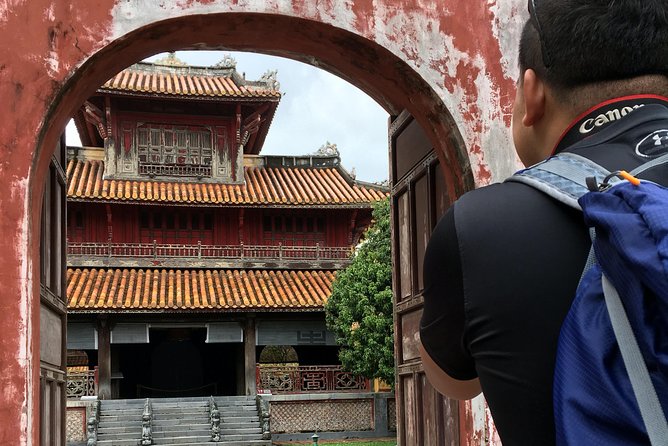
Reviewed · IMPERIAL CITY & CITADEL TOURS
Hue Imperial City Walking Tour: Citadel & Forbidden City
Palaces with secrets behind every wall. I like the way the guide connects each gate, hall, and courtyard to the Nguyen Dynasty, so the Imperial City doesn’t feel like a random maze. You start at Ngo Mon Gate and quickly get your bearings in the main ceremonial axis.
I also like the tour structure: clear stops with photo time, short visits, and a breather before the day turns more “inside” the Forbidden City zones. One catch: entry tickets, food, and drinks are not included, and you’re on your feet for a while in a huge complex.
In This Review
- Key takeaways before you go
- Hue Imperial City Walk: what you’re really buying for $11
- Finding your guide at the Four Cannons meeting point
- Ngo Mon Gate: your first real map of the Imperial City
- Thái Hòa Palace and the big ceremonial axis
- Hien Lam Pavilion: where details start to matter
- Cua Chuong Duc and the shift toward Forbidden City zones
- The built-in break you’ll be glad exists
- Kiến Trung Palace: royal family residence in the Forbidden City
- The Mieu temple: why some emperors were different
- Thai Binh Pavilion and Thiệu Phương Garden: calmer space inside the system
- Duyet Thi Duong Royal Theater: where performance fit the court
- Ending near the Royal Library and Royal Garden
- Why a guide is the real difference here
- Timing, weather, and what to bring for a 2.5–5.5 hour walk
- Cost vs. value: what $11 really buys you in Hue
- Who this tour fits best (and who should choose another option)
- Should you book the Hue Imperial City Citadel and Forbidden City walking tour?
- FAQ
- What sites does this Hue tour include?
- How long is the tour?
- What language is the guide?
- Where is the meeting point?
- Is hotel pickup available?
- What’s included in the price?
- What’s not included?
- Is there a cancellation option?
Key takeaways before you go
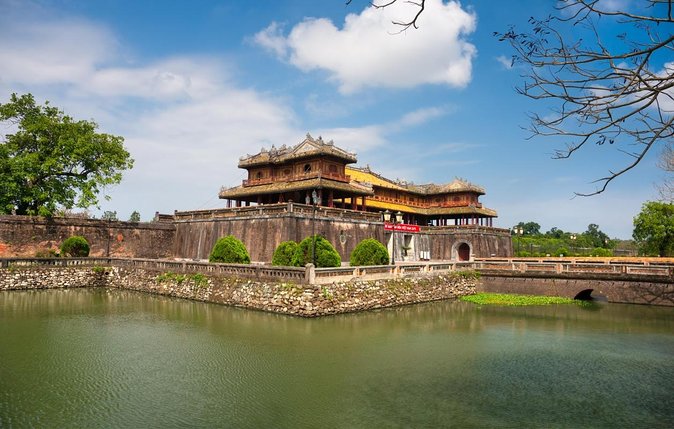
- Guides like Ngoc, Ha, Sue, Nhien, and Hoa are praised for making the layout click with real stories, not just dates.
- A stop-by-stop route hits the major named sights: Thái Hòa Palace, Kiến Trung Palace, the Mieu temple, and end points near the Royal Library and Royal Garden.
- Good pacing for a big site: photo stops, brief visits, and even a break built into the walk.
- Small group or private options often mean you can ask more questions without getting brushed aside.
- English and French live guiding helps a lot when you’re trying to understand what you’re seeing.
- Logistics matter here: you meet at the “4 Cannons” spot and the guide can send a Google Maps location via WhatsApp.
More time inside the Citadel walls
- Hue Customizable Tour with Imperial Citadel & Forbidden City★ 4.9 · 937 reviews
- Hue Imperial Ancient City Walking Tour★ 4.8 · 308 reviews
- From Da Nang/Hoian/Hue: Hue Imperial City Full-Day Tour★ 4.8 · 295 reviews
- Hue Imperial City Walking Tour: Citadel & Forbidden City★ 4.8 · 245 reviews
Hue Imperial City Walk: what you’re really buying for $11
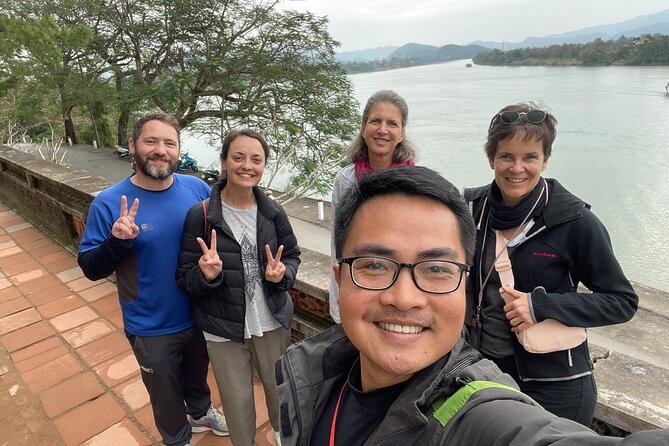
At $11 per person, this is one of those “why is this so cheap?” deals—because what you’re paying for isn’t fancy transport or a long buffet. It’s a guide who turns the Imperial City and Forbidden City into something you can actually understand while you walk it.
The grounds are enormous. Without help, you can easily wander, take photos, and still miss why each building exists. With a guide, you pick up the logic: who belonged where, how ceremonial space worked, and why certain areas were off-limits.
Also, the duration can stretch from 150 to 330 minutes, depending on timing and group flow. That matters because this is not a “quick hit.” It’s a “you need to follow along” kind of place.
Finding your guide at the Four Cannons meeting point
Logistics in Hue can be simple, but this tour asks you to be a little sharp at the start.
Your meeting spot is at the 4 Cannons location. On Google Maps, you may see “Nine Holy Cannons” nearby—so don’t panic if the labels look confusing. The key detail is that the guide waits at the 4 Cannons spot.
Two practical tips:
- Send your WhatsApp number so the guide can message you the exact Google Map pin if needed.
- If you choose optional pickup, share your hotel name and WhatsApp number so the driver-guide can coordinate.
At the end, the drop-off is listed as Hue, Cửa Hiển Nhơn (another detail that helps you plan your next move—grab coffee, head to your dinner area, or just decompress).
Ngo Mon Gate: your first real map of the Imperial City
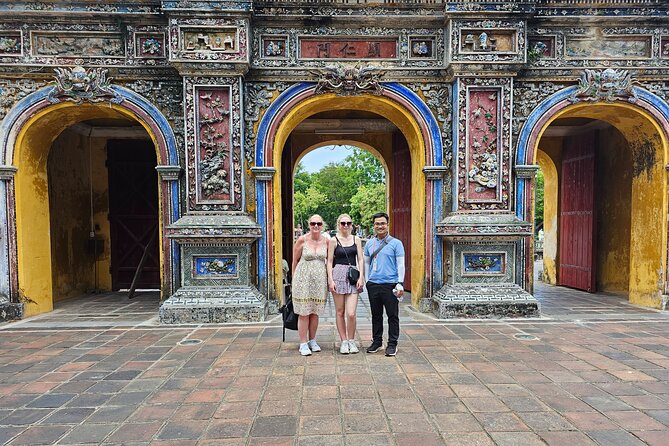
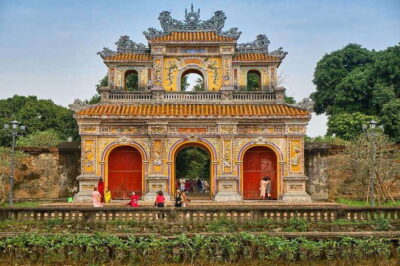
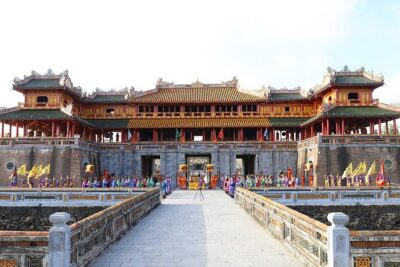
You start with a short stop at Cửa Ngô Môn (Ngo Mon Gate). There’s a photo stop and a guided introduction, and that’s a smart way to begin because the gate isn’t just a photo background. It’s your first clue about how formal the whole palace world was.
From here, the guide leads you into the Imperial City, following the main flow of space. That matters because the Citadel isn’t built like a casual park—it’s laid out for ceremony, hierarchy, and controlled movement.
If your brain is already buzzing with questions, this is the moment to ask them. I’d rather you ask early (while you’re still figuring out orientation) than later when you’re tired and stuck in “photo mode.”
Hue on foot, a handful more routes


Thái Hòa Palace and the big ceremonial axis
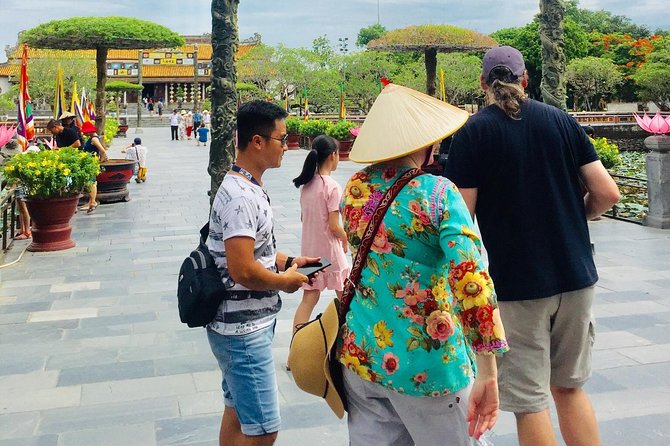
Next up is Thái Hòa Palace (Harmony Palace). Plan for a visit plus guidance, and expect the story to shift into how power was performed—where gatherings happened, what the space was for, and why the geometry of the complex mattered.
This is one of the strongest stops for understanding the “logic” of Hue. You’ll get context that makes the architecture feel intentional instead of decorative.
Also, note the pattern: the tour keeps moving but builds in photo opportunities. That’s a good balance for a site this wide. You’re not sprinting between points, but you’re also not stuck in one spot too long.
Hien Lam Pavilion: where details start to matter
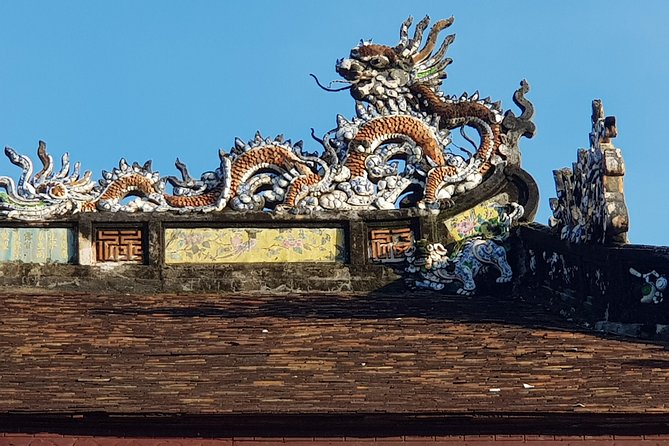
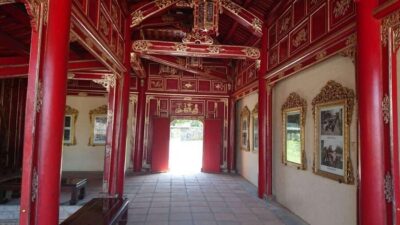
After Thái Hòa, the route includes the Hien Lam Pavilion. This stop is shorter—about a quick guided visit plus photo time—but it’s the kind of place where the guide’s explanations start to feel like the real prize.
Pavilions and smaller structures can look “similar” when you’re sightseeing fast. The guide helps you read the differences and understand what the building was meant to do in the bigger ceremonial layout.
If you like architecture, slow your breathing here. Look closely. Don’t just snap and move. A few minutes of patient looking will pay off later when you’re trying to remember what you saw.
Cua Chuong Duc and the shift toward Forbidden City zones
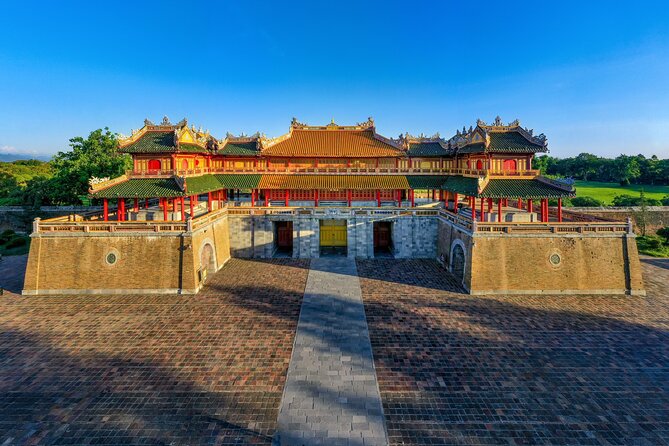
Then you reach Cửa Chương Đức (Chuong Duc Gate). Again, expect a short photo stop and a guided walk-through.
This is a good “transition” stop. The guide’s job is to connect the dots between outer ceremonial space and the more restricted feel inside. Even if you’re not fully fluent in what every structure means, you’ll start sensing the hierarchy in the movement—what’s presented openly versus what’s reserved.
There’s also a good chance you’ll get practical context about how some spaces worked in real life. That’s where guided tours become more than sightseeing.
The built-in break you’ll be glad exists
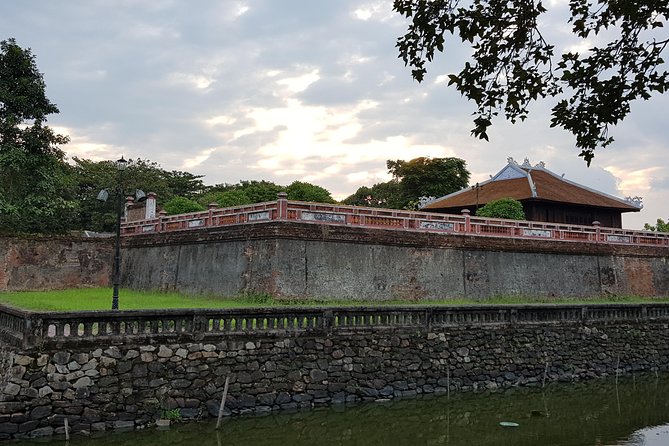
Midway, there’s a break time of about 10 minutes. I’m a fan of breaks on palace walks, even when you think you can power through.
This complex is long-distance walking plus slow reading plus occasional stairs/uneven paths. A short pause helps you keep energy for the most meaningful stops ahead—especially once you’re moving into the Forbidden City highlights.
Kiến Trung Palace: royal family residence in the Forbidden City
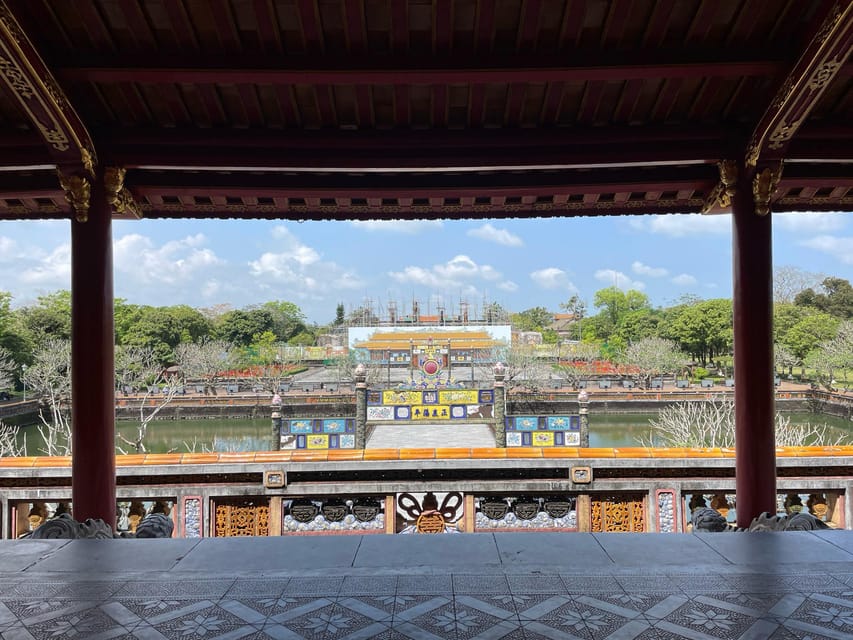
One of the highlight stops is Kiến Trung Palace. The guide explains it as a residence used for the king’s family, which changes how you see the space immediately.
A palace can be impressive and still feel abstract. But “where a royal family lived” gives the buildings a human scale. You start imagining daily routines and how privacy and access were controlled by design.
There’s a photo stop, guided tour time, and walking between points here. It’s also a great moment to ask questions about what you’re seeing. This is when your brain is ready to connect the architecture to the story.
The Mieu temple: why some emperors were different
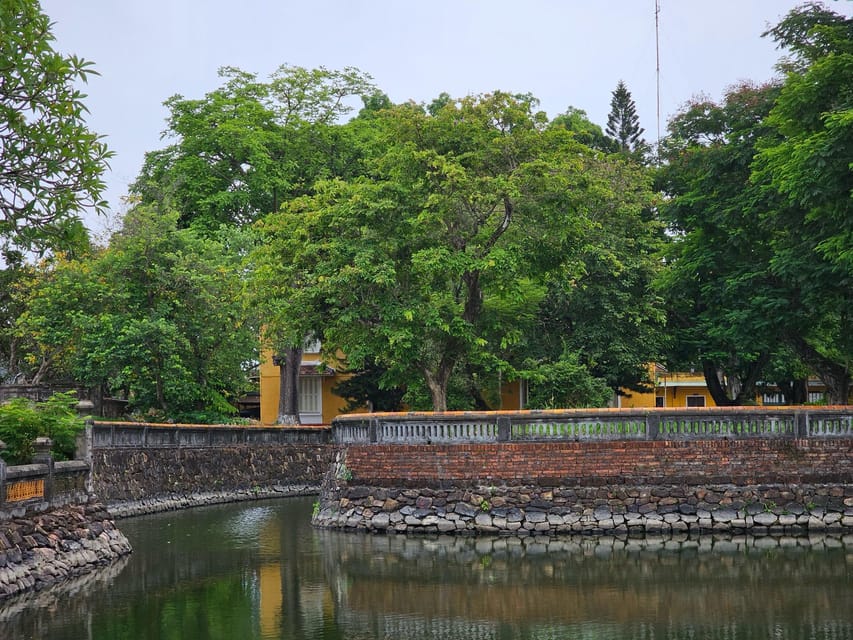
The tour also includes the Mieu temple, used for worship of the emperors. The point isn’t just that it’s a temple—it’s why it functioned the way it did, including the idea that some rulers weren’t allowed worship in the same way.
That kind of detail is exactly why I recommend a guide here. Without explanation, you might admire the temple and still miss the cultural rules behind it.
If you’re interested in how power and legitimacy were handled in Vietnamese history, this stop tends to land well. It turns the tour from “pretty palaces” into “how a system worked.”
Thai Binh Pavilion and Thiệu Phương Garden: calmer space inside the system
After the Forbidden City focus, the route continues with Thai Binh Pavilion and then Thiệu Phương Garden.
This is a nice rhythm change. Pavilions and garden areas let you breathe and take in the layout without feeling like you’re always climbing toward the next ceremonial room.
Gardens are also a clue to how the palace complex was lived in. Even if you’re not getting into gardening history, you’re seeing the balance between formal stone structure and softer, planned outdoor space.
Photo stop plus guided sightseeing plus walking time is built in, so you’re not just wandering alone.
Duyet Thi Duong Royal Theater: where performance fit the court
The tour includes Duyet Thi Duong Royal Theater. You’ll get visit time and a guided explanation, plus photo stop time.
The theater stop is valuable because it reminds you that imperial power wasn’t only political. It was also cultural—public performance, court ritual, and controlled spectacle. You’ll likely understand the “why” behind the grandeur more than you would from a signboard.
If you like stories about how societies expressed authority, this is a great late-stage stop.
Ending near the Royal Library and Royal Garden
The walk finishes near the Royal Library and Royal Garden. Then you walk out of the Imperial City Hue.
This ending is smart because it points you toward the “scholarship and refinement” side of palace life. Even if you don’t know what every room was used for, the guide’s explanations should help you connect the final pieces to the bigger palace puzzle.
Take a few minutes at the end to look back at what you’ve covered. When you’re leaving, you’ll often realize you followed an invisible map all afternoon.
Why a guide is the real difference here
I like this tour because the guide doesn’t just point at sights. They help you connect:
- gates to hierarchy,
- halls to ceremony,
- and temples to rules of worship and legitimacy.
The standout theme from guide feedback is strong communication—many people specifically praise English clarity (and guides who can answer tough questions without going off-track). Some guides also add personal context or extra suggestions for the rest of your Hue day, which can make your trip feel smoother.
Also, this is one of those locations where group pacing matters. The site is huge, and good guides adjust the tempo to keep you from feeling rushed or stuck behind slow walkers.
If you can, ask your guide at the start how long they expect to spend at each major zone. It helps you mentally budget for the best photo moments.
Timing, weather, and what to bring for a 2.5–5.5 hour walk
The tour duration is listed as 150 to 330 minutes, so assume a broad range. In practice, the walk can feel longer because you’re not just moving; you’re stopping for explanations and photos, sometimes at multiple buildings in one cluster.
What I’d pack (simple, practical):
- comfortable walking shoes (the grounds cover distance)
- sun protection or a hat (outdoor areas are likely to matter)
- a light layer for mornings/evenings
- a small snack or plan for food after (since food and drinks aren’t included)
If you’re sensitive to heat, build in time for the break to rehydrate. If it’s rainy, you’ll still be walking—so wear something you don’t mind getting splashed on.
Cost vs. value: what $11 really buys you in Hue
Here’s how I see the value. At $11 per person, you’re paying for:
- a local guide
- a guided walking tour across major palace zones
You’re not paying for entry tickets (not included), and you’re not paying for meals or drinks. That means the true total cost for the day depends on what you choose to pay at the gates and where you eat afterward.
Still, for what you get—multiple named sites across the Imperial City and Forbidden City areas plus explanations that make it meaningful—this is strong value. It’s the kind of pricing that makes it worth going even if your knowledge of Nguyen Dynasty history is minimal.
And if you want a tour because the architecture looks amazing but you don’t want to guess what you’re seeing, this price feels fair.
Who this tour fits best (and who should choose another option)
This Hue walking tour is ideal if you:
- enjoy history tied to buildings (not just museum captions)
- want a clear route through a huge complex
- like asking questions and getting answers on the spot
- prefer English or French guidance
It’s not suitable for wheelchair users, so if mobility is an issue, you’ll want another format.
If you’re traveling with limited time, check the available start times—this one has a long duration range for a reason.
Should you book the Hue Imperial City Citadel and Forbidden City walking tour?
Yes, I’d book it if you want the Imperial City to make sense as you walk. The “small wins” add up fast here: orientation at Ngo Mon Gate, key ceremonial stops like Thái Hòa Palace, and the Forbidden City zones such as Kiến Trung Palace and the Mieu temple.
If you’re the type who likes to wander independently with a self-guided map, you might still have a good time. But if you’d rather trade guesswork for context, and you want your visit to feel efficient without being rushed, this tour is a smart way to spend your Hue afternoon.
FAQ
What sites does this Hue tour include?
It covers the Hue Imperial City with stops such as Ngo Mon Gate, Thái Hòa Palace, Kiến Trung Palace, the Mieu temple, plus Royal Library and Royal Garden at the end. It also includes additional palaces/pavilions and garden areas during the walk, including Hien Lam Pavilion, Cửa Chương Đức, Thái Bình Pavilion, Thiệu Phương Garden, and Duyet Thi Duong Royal Theater.
How long is the tour?
The duration is listed as 150 to 330 minutes, depending on the selected option and starting time availability.
What language is the guide?
The live tour guide is available in English and French.
Where is the meeting point?
The meeting point is at the 4 Cannons location. The guide will wait there, and you can send your WhatsApp number so they can send you the Google Maps pin.
Is hotel pickup available?
Pickup is optional. If you want pickup, the driver and guide can come to pick you up at your hotel. You’ll need to provide your WhatsApp number and hotel name.
What’s included in the price?
The tour includes a local guide and the walking tour.
What’s not included?
Entry tickets, food, and drinks are not included.
Is there a cancellation option?
Yes. The listing states free cancellation up to 24 hours in advance for a full refund.
The Old Capital on Foot
- Hue Imperial Ancient City Walking Tour
★ 4.8 · 308 reviews - Eat like a local with a local – Walking Tour
★ 4.9 · 57 reviews - Hue Imperial City and Forbidden City Walking Private Tour
★ 4.9 · 42 reviews - Hue Imperial city walking tour and optional royal tombs
★ 4.7 · 19 reviews - Hue: Hue Walking Tour to Imperial Citadel with Tour Guide
★ 5.0 · 10 reviews - Hue Walking Street Food Tour
★ 5.0 · 6 reviews
More Tour Reviews in Hue Vietnam
- Hue Customizable Tour with Imperial Citadel & Forbidden City
★ 4.9 · 937 reviews - Hue :Exploring Royal City with Multi Options and Dragon Boat
★ 5.0 · 675 reviews - Hue City Tour Full Day – Group Tour
★ 4.7 · 518 reviews - From Hue: DMZ Tour with Vinh Moc Tunnels and Khe Sanh Base
★ 4.9 · 503 reviews - Hue: Private Car to Hoi An via Fabulous Stops
★ 5.0 · 371 reviews - From Hue: Hoi An Bus Transfer with 4 Sightseeing Stops
★ 4.6 · 366 reviews
Deeper Inside the Imperial Citadel
- Hue Customizable Tour with Imperial Citadel & Forbidden City
★ 4.9 · 937 reviews - Hue :Exploring Royal City with Multi Options and Dragon Boat
★ 5.0 · 675 reviews - Hue Imperial Ancient City Walking Tour
★ 4.8 · 308 reviews - From Da Nang/Hoian/Hue: Hue Imperial City Full-Day Tour
★ 4.8 · 295 reviews - Hue Imperial Citadel, Tombs, Perfume River Boat Tour & Van
★ 4.8 · 76 reviews - Hue Imperial City and Forbidden City Walking Private Tour
★ 4.9 · 42 reviews
Latest Hue Tours We Have Written Up






Imperial City & Citadel Tours, compared.
 ★ 4.9Hue Customizable Tour with Imperial Citadel & Forbidden CityFrom $12937 reviews
 ★ 5.0Imperial City Walk, Motorbike Tour & Private Car OptionsFrom $7732 reviews
 ★ 5.0Exploring Royal City with Multi Options and Dragon BoatFrom $12675 reviews
 ★ 4.8Hue Imperial Ancient City Walking TourFrom $2308 reviews
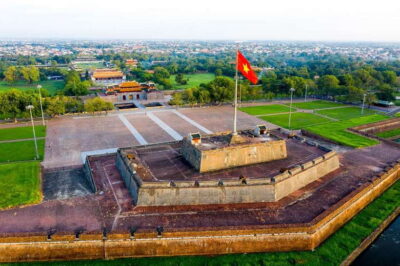 ★ 4.8From Da Nang/Hoian/Hue: Hue Imperial City Full-Day TourFrom $31295 reviews
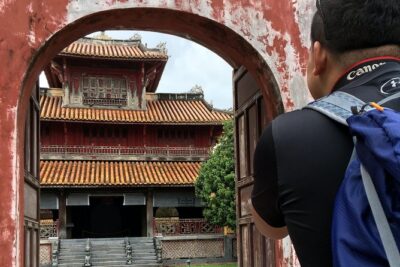 ★ 5.0Hue Imperial City Walking Tour: Citadel & Forbidden CityFrom $9280 reviews
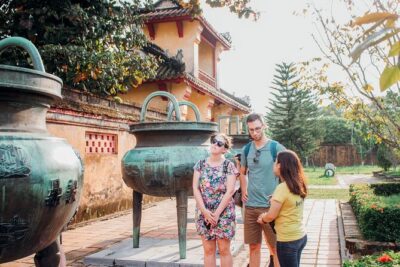 ★ 5.0Hue Imperial City Walking Tour (Kids Half-Price)From $29133 reviews
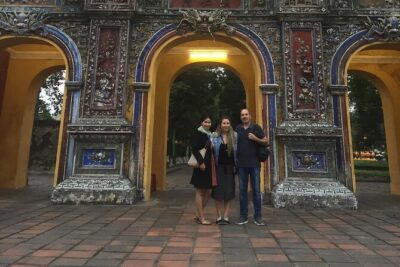 ★ 5.03-Hours Hue Imperial Walking Tour with Guide with Lunch/ DinnerFrom $30125 reviews
Browse the lists this tour appears in