
Reviewed · DMZ & WAR HISTORY DAY TRIPS
From Hue: DMZ Tour with Vinh Moc Tunnels and Khe Sanh Base
War history feels close on this DMZ day trip. This is a 10-hour ride from Hue into Quang Tri province, where you walk through border reminders and go underground into the Vinh Moc Tunnels. Along the way, you stop at sites tied to the 1972 fighting, including the infamous Horror Highway.
I love how the day centers on the scale and practicality of survival at the Vinh Moc Tunnels, not just dramatic war facts. I also love the way guides like Hoa, Flower, and Thuy turn dates into clear stories in English, keeping the long drive from feeling dead.
One consideration: it’s a long day with a lot of road time between stops, so you’ll want comfortable shoes and a patient mindset.
In This Review
- Key highlights worth planning around
- Entering the Hue-to-DMZ route
- Small group comfort and the guides who make it click
- Horror Highway and Long Hung Church: starting with 1972
- Quang Tri Ancient Citadel (and the formal-dress rule)
- Dakrong Bridge and the Ho Chi Minh Trail connection
- Ta Con Airport (Khe Sanh Combat Base Museum) and the museum stop debate
- Hien Luong Bridge and the Ben Hai River peace dividing line
- Vinh Moc Tunnels: the day’s main event
- Food, timing, and what to pack for this 10-hour route
- Price and value: is $54 a fair deal from Hue?
- Should you book this Hue DMZ tour with Vinh Moc Tunnels and Khe Sanh?
- FAQ
- What time does the Hue pick-up happen for this DMZ tour?
- How long is the DMZ tour?
- Is the tour guide available in English?
- What group size is this DMZ tour?
- What’s included in the price?
- What isn’t included?
- Are there dress rules at any stop?
Key highlights worth planning around
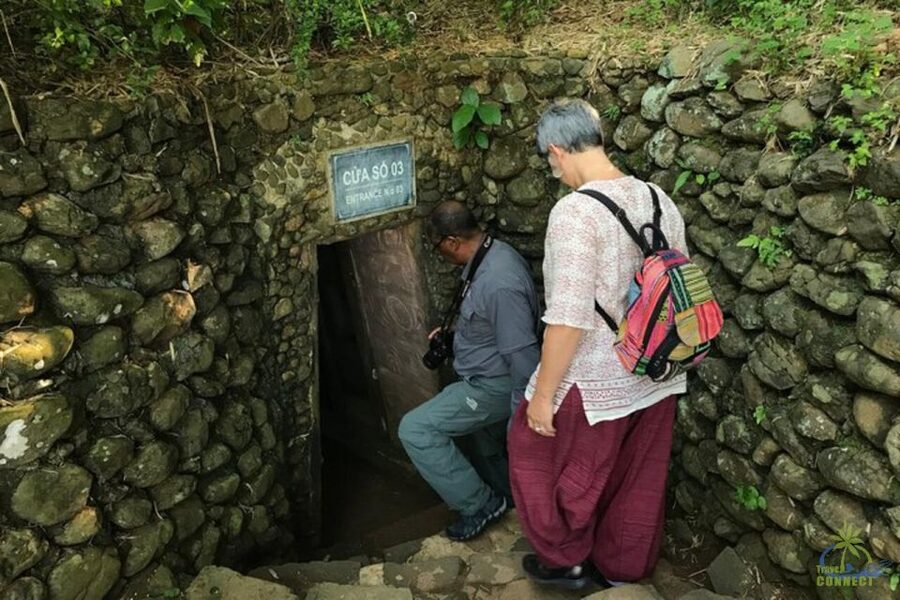
- Vinh Moc Tunnels: Vietnam’s largest tunnel complex, shown in levels so you get real perspective on life underground
- Story-driven English guiding: Hoa/Flower/Hua/Thuy keep the route coherent with songs and explanations during the drive
- Quang Tri sites with context: Horror Highway, Long Hung Church, and the ancient citadel help connect the timeline
- Ben Hai River and the Peace Bridge: built by the French, tied to the 1954 division of Vietnam and later reunification
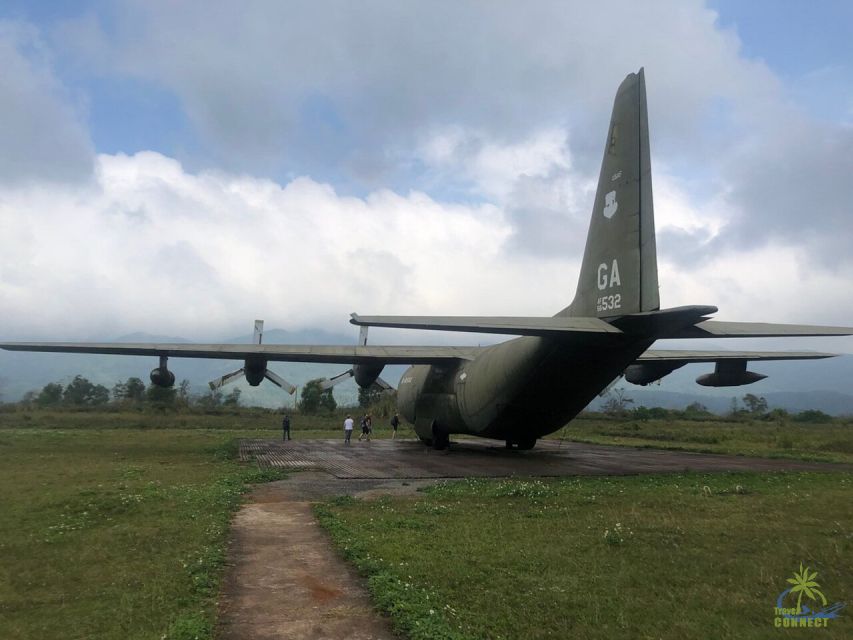
- Khe Sanh’s Ta Con Airport: a museum stop with a tank and aircraft “boneyard” focused on the Battle of Khe Sanh
North to the old DMZ and Vinh Moc
- Hue: Half-Day DMZ Tour to Vinh Moc Tunnels by Private Car★ 4.9 · 57 reviews
- Hue : Private Day Trip to DMZ : Vinh Moc tunnel & Khe Sanh★ 5.0 · 26 reviews
- From Hue: Private Half-Day DMZ Tour with Vinh Moc Tunnels★ 4.8 · 22 reviews
- DMZ Half-Day Tour from Hue: Vinh Moc Tunnels★ 4.8 · 12 reviews
Entering the Hue-to-DMZ route
A DMZ tour from Hue works because the drive compresses geography and history into one day. You start in central Hue around 07h30 and return by about 18h00, with hotel pickup and drop-off included. The pace is not rush-rush. It’s more like a moving classroom: you travel, you stop, you listen, and you move again.
The tour is built for people who want more than photos. You visit sites tied to the Vietnam War’s last big clashes in this region, especially around Quang Tri. Expect a day that spends equal time on visible landmarks (bridges, churches, citadel walls) and on less visible survival technology (the tunnels).
You’ll also feel the human side. Even where the facts are heavy, the guiding tends to keep returning to what civilians did to endure bombing and siege conditions.
Small group comfort and the guides who make it click
This tour runs as a small group (limited to 12), which matters on a long day. You’re not fighting for space at viewpoints, and it’s easier for the guide to answer questions as you go.
What really improves the experience is the guide quality. Names that show up often include Hoa (sometimes called Flower/Hua) and Thuy. The best part is not just vocabulary and history dates. It’s how they structure the story so the route makes sense: what happened here, why it mattered, and how the next stop connects.
In the van, the guiding often includes music linked to the war era, so you get a rhythm to the day. That might sound minor, but when you’re on the road for stretches at a time, it keeps you alert and helps the history land.
Horror Highway and Long Hung Church: starting with 1972
Your first cluster of stops sets the emotional tone early. One is the Horror Highway, tied to May 1, 1972, when Highway 1 became a killing ground. The story here focuses on civilians—elders, women, and children—along with soldiers caught in the attacks. It’s not a stop meant to lighten the mood, and you should go in prepared for that.
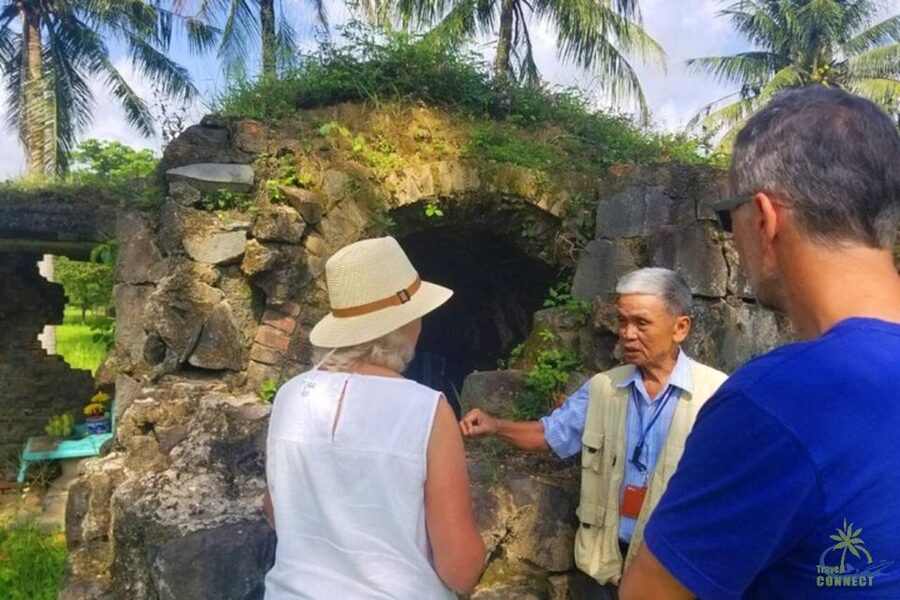
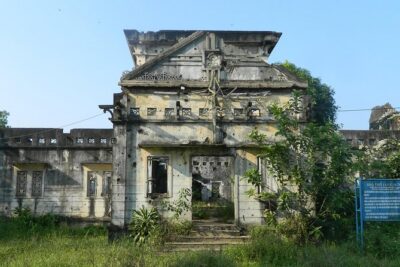
Next comes Long Hung Church, one of the few remaining buildings in Quang Tri town after the heavy bombardment during what’s described as the Fire Summer or Eastern Offensive in 1972. It’s identified as a National Relic (BA5453). Even if you don’t know the background, the idea is clear: this is a surviving shell of a much bigger destruction.
Practical tip: take your time with these early sites. When you rush, the details and dates blend together. When you slow down, you start to see the pattern.
Quang Tri Ancient Citadel (and the formal-dress rule)
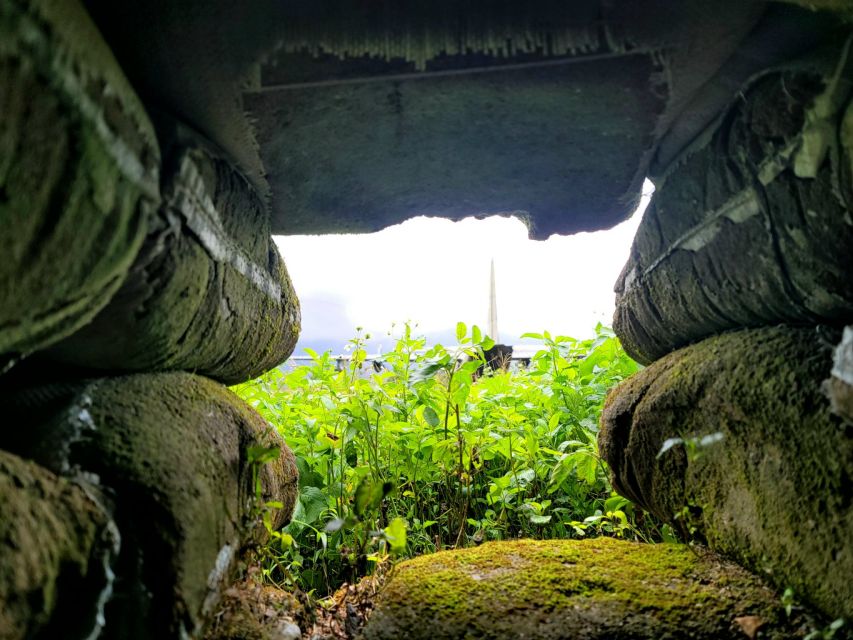
Quang Tri Ancient Citadel is where the day shifts from one-off events to something you can still “read” with your eyes. It’s presented as an eyewitness point for intense battles in 1972, including an 81-day fighting period. The citadel is described as nearly destroyed by huge amounts of bombing.
Now it functions as a place to mark and educate—built to keep the memory of the resistance war available for younger generations.
Then comes a very practical detail: formal dress is required at the citadel. If you wear shorts, you can rent a cover for 10,000 VND. This is the kind of rule that can otherwise derail your day, so it’s worth packing light layers that cover your legs.
If you care about context, this stop is one of the best. You’ll likely leave with a stronger sense of how the fighting unfolded around real town structures, not only “battlefield” locations.
Dakrong Bridge and the Ho Chi Minh Trail connection
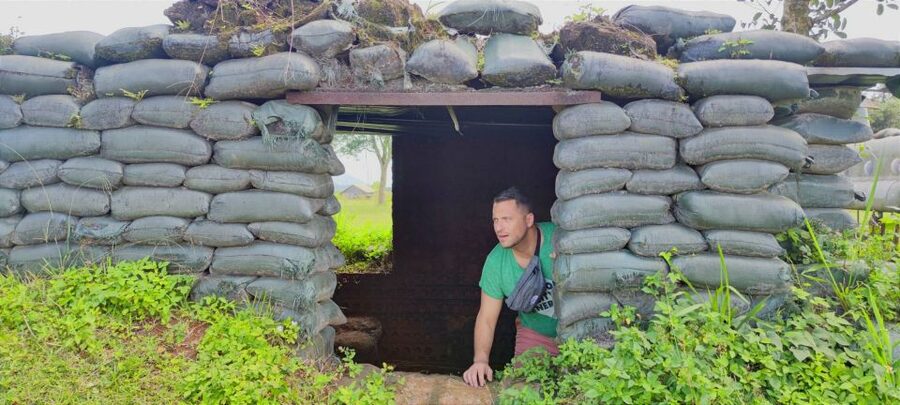
Dakrong Bridge is built into the route as a reminder of strategic movement. It’s described as the beginning of the Ho Chi Minh Trail network, which is why this access point was heavily contested and fell multiple times during the war.
Today, you’re not seeing a crumpled relic. You’re seeing a suspension bridge that feels like a repaired dare: the kind of place that says the route endured, even if the war could not.
On the way, there’s also a chance to encounter a Paco minority village. The tour doesn’t promise a full village stop with a set activity, but you might catch a brief interaction or glimpse depending on timing.
If you’re sensitive to war content, this is where you can balance the day. The location is about movement and strategy rather than graphic scenes, and that contrast can help you emotionally pace the rest of the route.
Ta Con Airport (Khe Sanh Combat Base Museum) and the museum stop debate
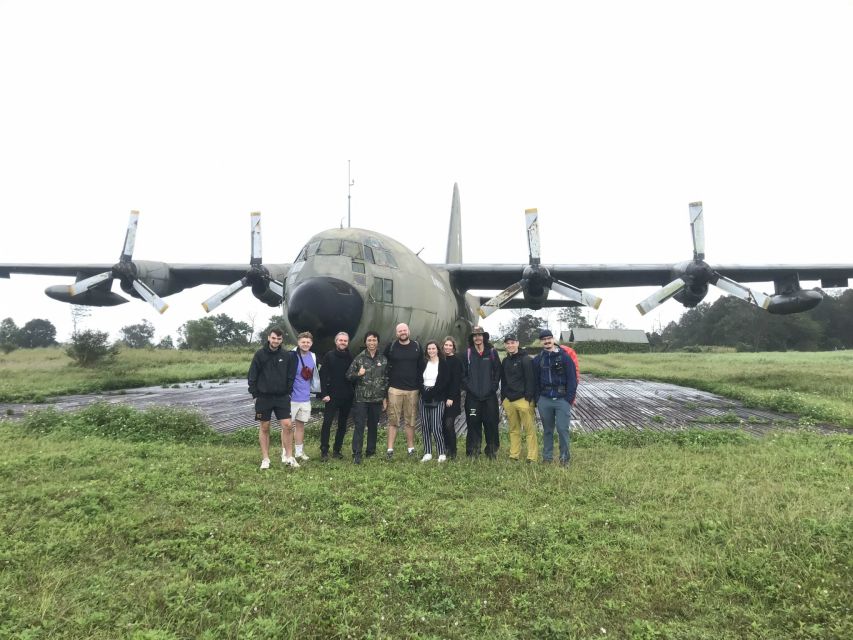
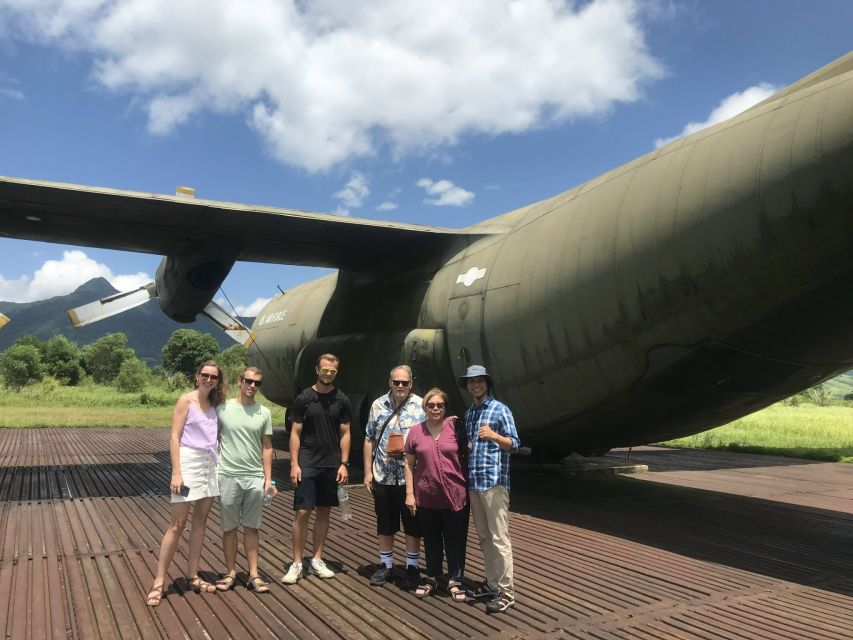
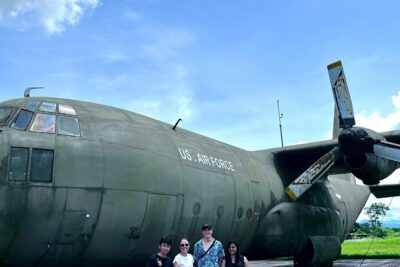
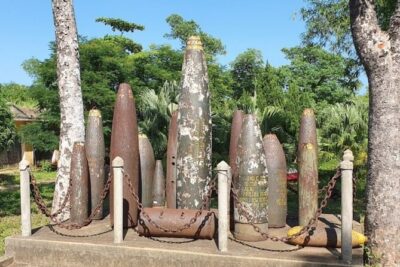
Ta Con Airport is now the Khe Sanh Combat Base Museum. The main draw is the outdoor display area, described as a “boneyard” of captured U.S. tanks and aircraft destroyed during the Battle of Khe Sanh.
The museum’s own official accounts are shared during the visit, including the number that 197 U.S. planes were shot down or captured during the 170-day battle. That’s the kind of stat that makes the siege feel real in a single glance, especially when you’re looking at damaged aircraft beside preserved equipment.
A caution for your planning: this stop can feel like a trade. Some people may feel it adds extra time because it’s another location requiring driving to reach. The good news is that it’s not a random add-on. It matches the theme of how this war played out in this region, and it can be satisfying if you like siege history and equipment details.
Hien Luong Bridge and the Ben Hai River peace dividing line
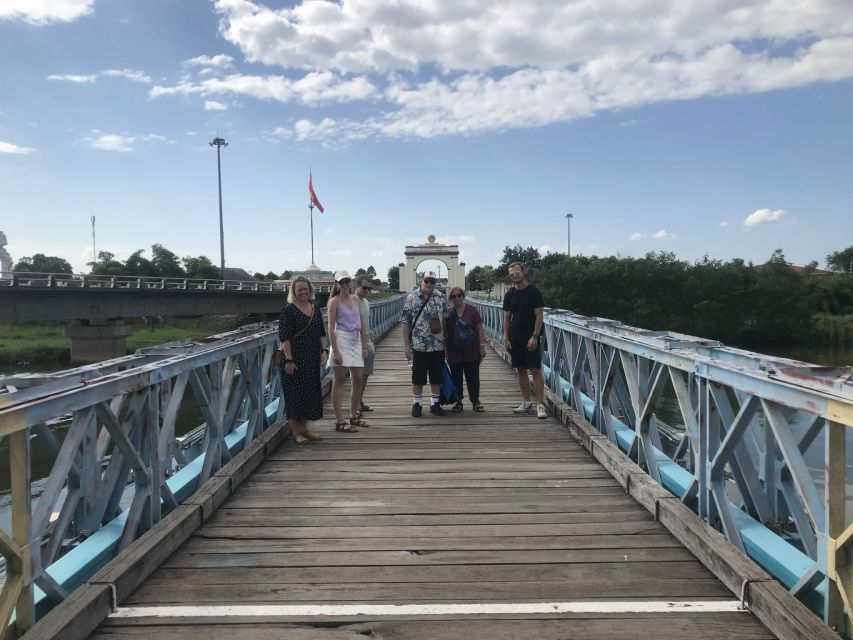
After the earlier stops, you head toward the Ben Hai River area and the Hien Luong Bridge, also called the Peace Bridge. This is one of the most important “what changed after Geneva” moments on the tour.
The explanation ties directly to the 1954 Geneva Agreements, which divided Vietnam into North and South along the 17th parallel. The Ben Hai River runs through Quang Tri as part of that boundary idea.
Hien Luong Bridge was built by the French in 1950 and is listed as 178 meters long. The guiding story also notes that it took 21 years for people from North and South to be united. Even if you already know the broad timeline, standing at the crossing helps the numbers feel human.
This stop is also a good break point. After tunnels and museum displays, walking a bridge and looking at the river can reset your body while still keeping the history sharp.
Vinh Moc Tunnels: the day’s main event
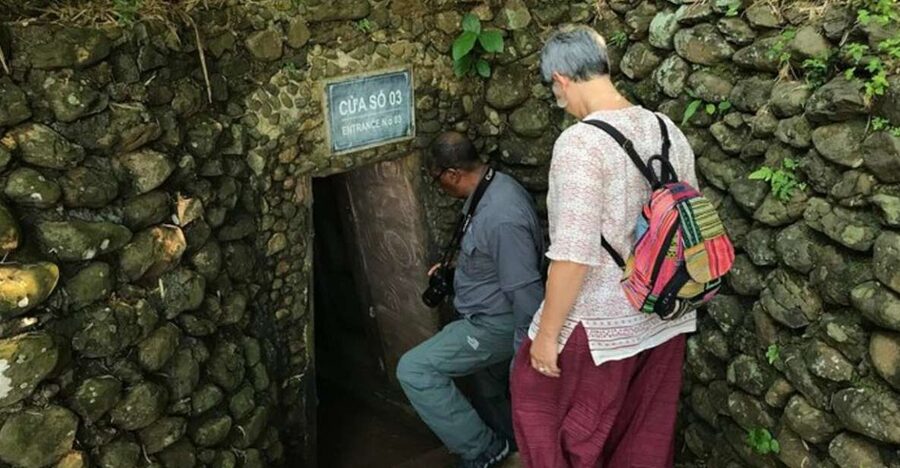
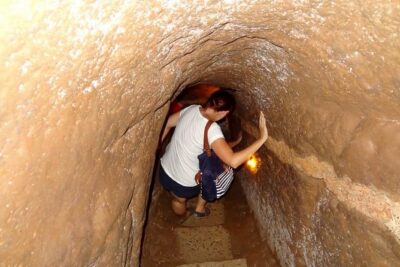
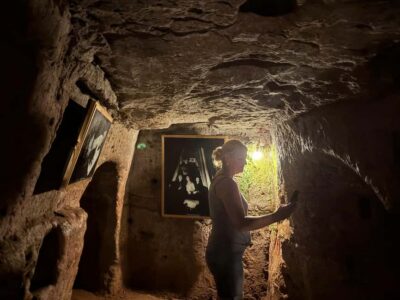
If you only remember one stop, make it this. The Vinh Moc Tunnels and the Tunnel Museum are presented as the highlight of the DMZ tour. This complex is located deep in the DMZ, and the story is about how local people survived under intense bombing.
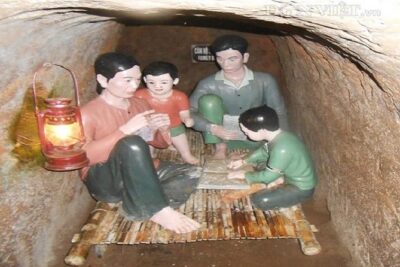
The key value here is not only that tunnels exist. It’s what the tunnels allowed: shelter, living conditions, and support for resistance efforts. The way the visit is guided helps you understand that these were not just hiding holes. They were a system built for continuing day-to-day life under extreme pressure.
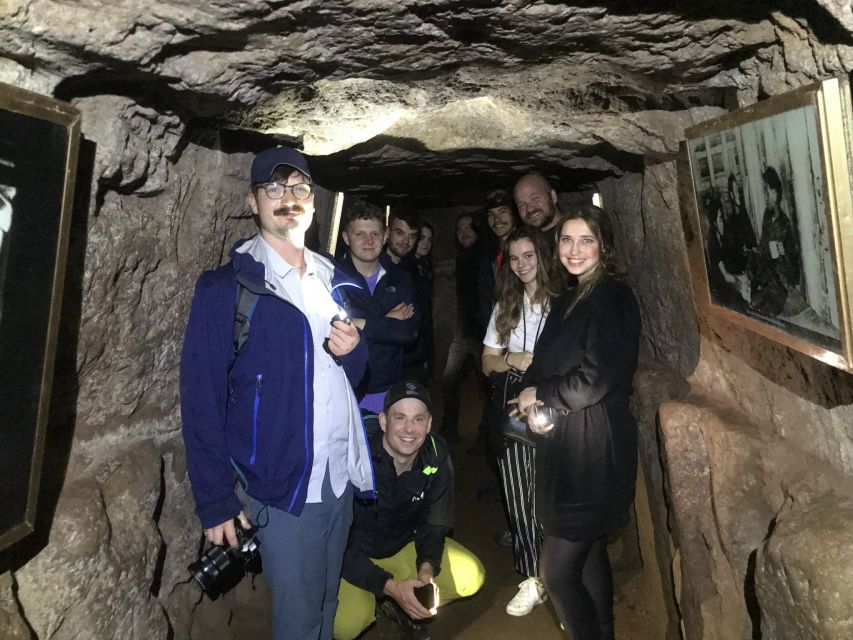
The tour experience also tends to focus on seeing multiple tunnel levels, which makes the depth and layout more concrete. You can picture the scale better than you would with photos alone, because your body is literally moving through the same restricted space.
Practical tips matter most here:
- Wear shoes you can walk in for close, sometimes uneven ground.
- Bring a layer. Underground spaces can feel cooler than the daylight.
- Pace yourself. You may want a quiet minute to take it in rather than rushing through.
It’s the kind of site that changes how you read everything else on the itinerary. After the tunnels, the bridges, highways, and citadel walls feel more connected to what survival required.
Food, timing, and what to pack for this 10-hour route
Food is handled in a simple, solid way. Lunch is included, and it’s described as a local meal served during the day. In addition, bottled water is provided.
You’ll also get free snacks, plus time for local coffee at your own expense. The included mention of local Khe Sanh coffee can be a nice choice if you want a regional taste without turning it into a big extra spend.
Timing-wise, plan your day like this: pickup early in Hue, then a sequence of stops with driving between them, ending back in Hue around 18h00. Expect the driving to take up noticeable chunks of the day. The best defense is mindset. Treat the van time as part of the experience, especially since the guides use stories and songs to keep you oriented.
What to pack (simple, useful):
- Sunglasses and sun protection for outdoor legs
- A light cover for your legs in case you hit formal-dress sites again
- A small snack backup, even with included snacks, just for comfort
- A refillable bottle mindset is fine, since bottled water is included, but bring a plan if you’re picky
Price and value: is $54 a fair deal from Hue?
At $54 per person, the price feels fair for a full 10-hour DMZ-focused day with hotel pickup, transportation, a live English guide, entry tickets, bottled water, lunch, and travel insurance.
What makes it good value is not just the list of inclusions. It’s the route density. You’re seeing multiple major points: a dramatic civilian-focused event area (Horror Highway), war-scarred structures (Long Hung Church and the citadel), a bridge tied to post-Geneva division, plus the tunnel system that gives the day its emotional and historical core.
It’s also a small-group experience. For many people, that’s the difference between a tour that feels like a bus stop and one that feels guided and coherent.
The only “cost” isn’t money. It’s your energy. If you want to minimize driving, this format might feel like too much transit. If you’re fine with a long day, the day’s spread of stops is exactly what you’re paying for.
Should you book this Hue DMZ tour with Vinh Moc Tunnels and Khe Sanh?
Book it if you want a one-day DMZ overview that still lands the biggest experience: the Vinh Moc Tunnels. It’s a strong choice for history buffs who like narrative, and for first-timers who want the major landmarks tied to 1954 division and the intense fighting around 1972.
I’d think twice if you know you struggle with long driving days or you want a lighter, less intense pace. This is war history with heavy emotional stops early in the itinerary. If you’re traveling with younger kids, you’ll want to judge your family’s comfort level with sensitive content and enclosed tunnel walking.
My practical call: if you’re in Hue and you care about understanding Vietnam’s war story from the local ground level, this is a high-value day. Prioritize comfortable shoes, a leg-cover backup for dress rules, and a calm expectation that the van time is part of how the guide connects the dots.
FAQ
What time does the Hue pick-up happen for this DMZ tour?
Pickup is included from your hotel in central Hue at 07h30. The tour returns to hotels in Hue at around 18h00.
How long is the DMZ tour?
The duration is listed as 10 hours.
Is the tour guide available in English?
Yes. The tour includes a live English-speaking guide.
What group size is this DMZ tour?
It’s a small group limited to 12 participants.
What’s included in the price?
The price includes hotel pickup and drop-off, lunch, tour guide, bottled water, travel insurance, entry tickets, transportation, and a souvenir.
What isn’t included?
Anything beyond the included items is not covered. The information lists other expenses as not included, and it also notes that Khe Sanh coffee is an own-expense purchase.
Are there dress rules at any stop?
Yes. Quang Tri Ancient Citadel requires formal dress. If you wear shorts, you can rent a cover for 10,000 VND.
More Tour Reviews in Hue Vietnam
- Hue Customizable Tour with Imperial Citadel & Forbidden City
★ 4.9 · 937 reviews - Hue :Exploring Royal City with Multi Options and Dragon Boat
★ 5.0 · 675 reviews - Hue City Tour Full Day – Group Tour
★ 4.7 · 518 reviews - Hue: Private Car to Hoi An via Fabulous Stops
★ 5.0 · 371 reviews - From Hue: Hoi An Bus Transfer with 4 Sightseeing Stops
★ 4.6 · 366 reviews - Hue Imperial Ancient City Walking Tour
★ 4.8 · 308 reviews
North to the Old Front Line
- Hue: Half-Day DMZ Tour to Vinh Moc Tunnels by Private Car
★ 4.9 · 57 reviews - Hue : Private Day Trip to DMZ : Vinh Moc tunnel & Khe Sanh
★ 5.0 · 26 reviews - From Hue: Private Half-Day DMZ Tour with Vinh Moc Tunnels
★ 4.8 · 22 reviews - DMZ Half-Day Tour from Hue: Vinh Moc Tunnels
★ 4.8 · 12 reviews - DMZ and the Hidden Stories of War – Full-Day Tour from Hue
★ 5.0 · 11 reviews - Phong Nha/Dong Hoi: DMZ Tour – Vinh Moc & Khe Sanh Base
★ 5.0 · 10 reviews
Latest Hue Tours We Have Written Up



DMZ & War History Day Trips, compared.
 ★ 5.0DMZ TOUR HUE – Deluxe group tour full dayFrom $49383 reviews
 ★ 5.0DMZ & Vinh Moc Tunnels – Private Historical Tour from HueFrom $80188 reviews
 ★ 5.0Explore DMZ in Private: Vinh Moc & Khe Sanh from HueFrom $10199 reviews
 ★ 4.9Half-Day DMZ Tour to Vinh Moc Tunnels by Private CarFrom $1657 reviews
 ★ 5.0Private Day Trip to DMZ : Vinh Moc tunnel & Khe SanhFrom $1626 reviews
 ★ 5.0Vietnam DMZ Tour from Hue With The Best DMZ GuideFrom $10024 reviews
 ★ 5.0Hue Transfer to/from Dong Hoi & Phong Nha via DMZ OptionFrom $6523 reviews
 ★ 5.0PRIVATE DMZ Tour from Hue – Half Day – Vinh Moc TunnelsFrom $7223 reviews
Browse the lists this tour appears in