Reviewed · HUE
Hue: Brew Egg, Salt & Coconut Coffee
Four Vietnamese coffees, one cozy workshop. In Hue, this hands-on class turns the usual coffee stop into a mini lesson you can taste, learn, and repeat later at home with the phin filter. I love that you brew 4 iconic styles (not just watch), guided by a friendly local host who explains what makes each one special.
The best part for me is the focus on Vietnamese-style Robusta—strong, fragrant, and a huge reason Vietnam’s coffee culture is its own world. You get to make egg, salt, and coconut coffee yourself, then do real tasting instead of sipping a sample and moving on.
One thing to consider: you’ll drink a lot of coffee. If you’re sensitive to caffeine or you usually prefer light flavors, go slow and plan for the session to feel intense in the best way—but still intense.
In This Review
- Key highlights worth your attention
- Entering the Hue alley: how to find Huế Experience fast
- Price and value: is $18 worth a 90-minute coffee class?
- The first lesson: Robusta and what makes Vietnamese coffee different
- Brewing with the phin filter: the skill that changes everything
- Egg coffee, salt coffee, coconut coffee: learning the “secrets” by making them
- Egg coffee
- Salt coffee
- Coconut coffee
- Practical tip: taste while the coffee is still fresh
- The pacing: how the 90 minutes actually works
- What you’ll take home: recipes, tools, and confidence
- Who this Hue coffee workshop is best for (and who should pause)
- Meeting the host: the difference a real teacher makes
- Small group logistics: why a max of 8 changes the experience
- Timing it with your Hue day
- Should you book the Brew Egg, Salt & Coconut Coffee class in Hue?
- FAQ
- What coffee drinks do I make in this workshop?
- How long is the Hue coffee workshop?
- How much does it cost?
- Is this a small-group experience?
- Do I get recipes to take home?
- What language is the host?
- Where exactly is the meeting point?
- Is it wheelchair accessible?
- Do I have to pay right away, and can I cancel?
Key highlights worth your attention
- Four iconic brews in one 90-minute class, including classic phin coffee plus egg, salt, and coconut styles
- Bold Robusta beans as the foundation, so you understand what’s actually driving the flavor
- Hands-on brewing with a traditional phin filter, not just a demonstration
- A small group of up to 8, which makes it easy to ask questions and get help while you brew
- Take-home recipes and a guided tasting, so you can recreate what you liked
- English-speaking local host (names you may hear include Duck, Uyen, Daisy, and Annie)
Here are more Hue tours travellers keep rating well:
- Hue: Brew Egg, Salt & Coconut Coffee★ 5.0 · 47 reviews
- Hoi An: My Son Early Morning Tour with Banhmi and Coffee★ 5.0 · 29 reviews
Entering the Hue alley: how to find Huế Experience fast
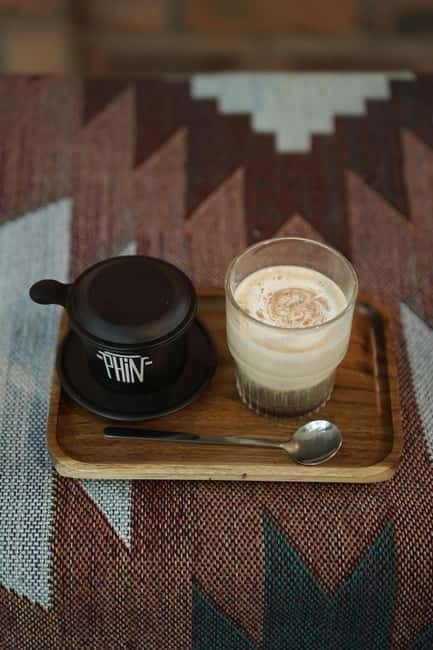
This workshop is easy once you know where it hides. You meet in a small alley: enter alley number 1 on Hoàng Quốc Việt Street, then walk about 50 meters until you see the Huế Experience signboard.
Why this matters: Hue is full of narrow lanes, so arriving with a clear meeting point helps you avoid the “where are we” stress. If you’re wandering around on a tight schedule, take a screenshot of the street and look for the Huế Experience sign before you commit to the alley.
If you’re pairing this with other Hue sights, build in a little buffer. You’re going somewhere small and specific, and it’s better to stroll in early than rush.
Price and value: is $18 worth a 90-minute coffee class?
At $18 per person for a 90-minute experience, you’re paying for more than coffee. You’re paying for tools and ingredients for four recipes, guided instruction in English (or Vietnamese), tasting time, and a recipe handout to take home.
Here’s the value angle I like: you’re not just sampling different cups. You’re learning a process—using the phin filter and Vietnamese coffee ratios—so you can recreate the flavors later.
You also benefit from the small group format (limited to 8 participants). In practice, that means you’re more likely to get hands-on time with the brewing steps instead of waiting your turn.
If you’re thinking, I’ll just find egg coffee on a menu—totally fair. But this class teaches you why the coffee tastes the way it does, and that’s what turns it into a repeatable skill, not a one-time sip.
The first lesson: Robusta and what makes Vietnamese coffee different
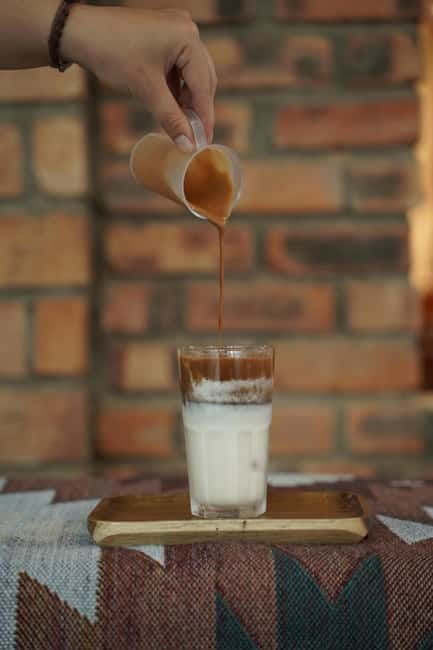
The session starts with an introduction to the coffee base: robusta beans. This is the heart of Vietnamese coffee, and it sets expectations for everything that follows.
You’ll learn the “why” before you start pouring—how robusta shapes the flavor profile (strong, bold, often a little chocolatey or earthy depending on how it’s brewed). The goal isn’t to turn you into a coffee scientist. It’s to help you taste with a purpose, so when you notice differences between egg, salt, and coconut coffee, you’ll know what to attribute them to.
This is also where I’d pay attention if you’re not used to Vietnamese-style strength. If you usually drink light coffee, robusta can feel like a jump. The host’s explanations help you understand that this isn’t meant to taste timid—it’s meant to be satisfying and full-bodied.

Brewing with the phin filter: the skill that changes everything
Then you move to brewing using the phin—the traditional Vietnamese metal filter that slows the flow and concentrates the coffee.
What to expect in the room: you’ll be guided step-by-step so you can brew without guessing. You’ll use the traditional phin filters and robusta beans that are provided, and you’ll get a chance to taste what you make.
Why this matters for your trip: a phin isn’t just a gadget. It’s part of the cultural ritual. The slow drip is how Vietnamese coffee builds its characteristic strength and depth.
If it’s your first time, expect a learning curve that lasts a few minutes, not an hour. You’re in a small group, so your host can correct your technique while you’re actively brewing, not after you’ve already wasted a cup.
Egg coffee, salt coffee, coconut coffee: learning the “secrets” by making them
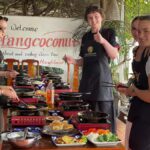
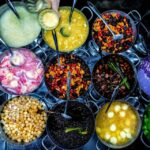
The center of the workshop is the part you’ll remember: you brew and taste four styles—phin, egg coffee, salt coffee, and coconut coffee.
Each drink has its own flavor story and cultural background, and the host explains what to look for while you brew. That makes the tasting feel like a guided experiment instead of random sips.
Egg coffee
You’ll make the egg coffee style as part of the four-recipe set. The name tells you the main feature, but what you’re really learning is how the drink’s texture and richness come across when it’s paired with the strong Vietnamese coffee base.
If you tend to like creamy drinks, egg coffee is often the one that feels instantly approachable. It’s also a good “gateway” for folks who think they don’t like strong coffee, because the combination can soften the bite while keeping it flavorful.
Salt coffee
Salt coffee is the wild card, in a good way. You’ll brew this style and taste it right away, guided so you understand how salt changes the perception of sweetness and bitterness.
In other words: it can make a strong coffee taste more balanced, not more harsh. This is a great option if you like flavor contrasts or if you enjoy desserts that use a pinch of salt to sharpen everything else.
Coconut coffee
Coconut coffee brings a different kind of comfort. You’ll brew the coconut style and taste how the coconut notes interact with the robusta base.
This one often lands well when you want something that feels a little more tropical and smooth. If you’re visiting Hue in warm weather, coconut coffee can feel especially natural.
Practical tip: taste while the coffee is still fresh
A lot of the differences are easiest to catch right after brewing. You’ll have tasting as part of the workshop, so don’t rush past the first sip. Use the host’s cues to compare flavor, strength, and texture between the styles.
One extra note from the experience vibe: coffee tasting in this class can be substantial. One person noted they had so much coffee they couldn’t drink it all. So plan to pace yourself.
The pacing: how the 90 minutes actually works
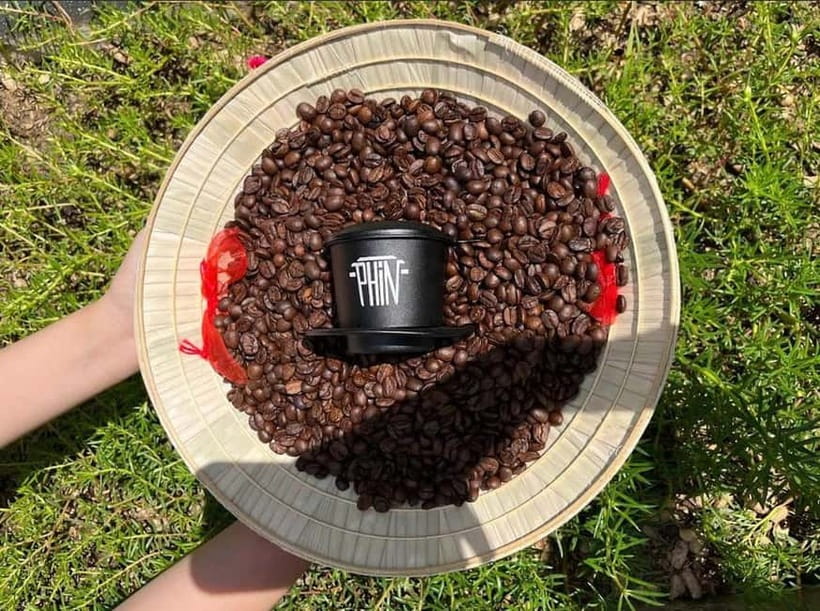
This isn’t a long lecture. It’s an active session that runs about 90 minutes, built around a simple rhythm: instruction, brewing, and tasting.
You start with an intro to robusta and the brewing process, then you transition into making the four recipes. With a small group of up to 8, you’re not just waiting for someone else to finish. You’re working at your station, with the host circulating.
The workshop format also makes it easier if you have questions. People with different coffee preferences (including those who don’t drink coffee much) have still enjoyed the class. That’s because the host explains what you’re tasting and why, instead of assuming you already know the language of coffee.
If it’s rainy, this is a solid pick. One guest described it as a rewarding rainy-day activity because it’s warm, hands-on, and focused.
What you’ll take home: recipes, tools, and confidence
You don’t leave empty-handed. You get a recipe handout to take home, plus tasting of all the drinks you prepare.
I like that this is practical. The class is built around making the drinks, so when you take the recipe sheet home, it connects to something you actually did with your own hands.
Also, if you fall in love with the phin setup, you might want to bring one back. One visitor mentioned buying a phin filter after the class to use at home. It’s not listed as part of the standard package, but it’s a reasonable idea if you want to keep the ritual going.
Who this Hue coffee workshop is best for (and who should pause)
This class is great if:
- You want a hands-on cultural activity instead of just sightseeing
- You’re curious about Vietnamese coffee beyond a single cup
- You like learning processes you can repeat later
- You want a small-group experience with an English-speaking local host
It’s also a fun match for couples or solo travelers. Some sessions can be very personal; one person had a class just for two, which made the atmosphere relaxed and individualized.
Where you should be careful:
- If you’re caffeine-sensitive or don’t usually tolerate strong coffee, know that you’ll be tasting multiple cups. Start slowly.
- If you hate the idea of hands-on tasks, you might find it more active than you expect. This one is designed around you brewing, not observing.
Meeting the host: the difference a real teacher makes
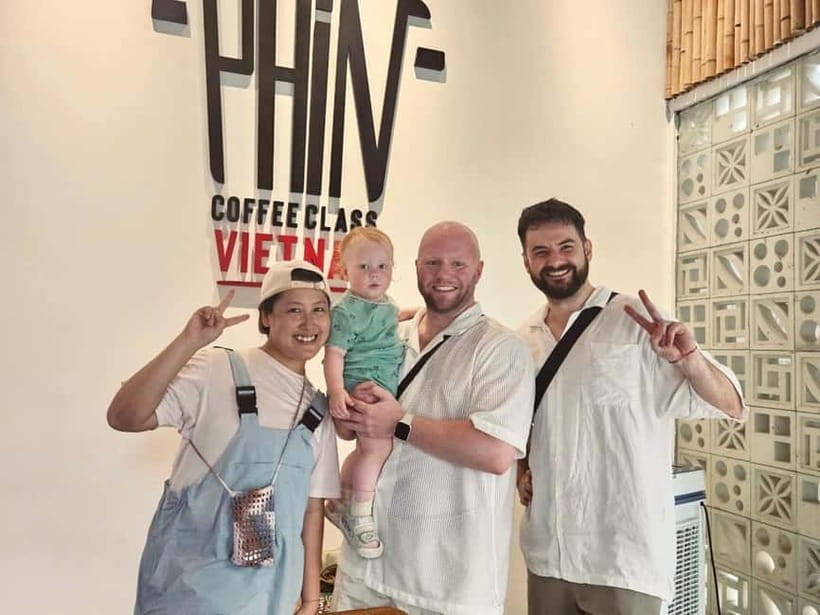
A big part of why this workshop has such strong momentum is the hosting. Names you may see linked to this experience include Duck (sometimes jokingly called quack quack), Uyen, Daisy, and Annie. People connect with their clear explanations and the way they make the steps feel doable.
You’re not just getting instructions. You’re getting context: the background behind the different coffee styles, and conversations that help you understand how Vietnamese coffee fits into everyday life.
Even if you only catch bits of Vietnamese culture through the stories, the effect is real. You’ll leave knowing what the drinks are doing, not just how to order them.
Small group logistics: why a max of 8 changes the experience
Limiting the class to 8 participants isn’t a throwaway detail. It changes everything.
In a larger group, coffee workshops turn into lines and waiting. Here, it’s built so your host can correct your technique—especially with a phin filter where timing and flow matter.
You also get more back-and-forth. If you’re wondering why one style tasted a certain way, you can ask right then instead of at the end.
Plus, the class feels social in a low-pressure way. People have described laughing and chatting, which makes the room feel relaxed even while you’re learning.
Timing it with your Hue day
You’re looking at a 90-minute window, so you can place it between other activities without losing half your day.
Practical planning:
- If you’re doing morning sights, consider this as a mid-day reset. You’ll warm up and get a clear structure.
- If you’re in Hue when it’s hot, you’ll still have a comfortable indoor activity. Also, one guest said the host showed hot and cold drink variations, so you might get options depending on the class flow.
One simple caution: consider having a light meal or being ready to handle lots of coffee. A guest suggested coming with an empty stomach, but that’s personal advice, not a rule. Your best move is to think about how you react to robusta.
Should you book the Brew Egg, Salt & Coconut Coffee class in Hue?
Yes, if you want something more than a tasting. For $18, you get guided brewing for four Vietnamese coffee styles, small-group attention, and take-home recipes—plus the chance to learn a skill (the phin method) you can repeat.
I’d also book it if you enjoy learning through doing. This is the kind of experience where your hands get involved, your questions get answered, and the drinks become a story you understand, not a menu item you forget.
Skip it only if you know you won’t handle strong coffee well or you’re looking for a quick stop. This workshop asks you to taste and participate. If that sounds good, you’ll likely come away with both coffee knowledge and a Hue memory you can bring home—right down to the flavor.
FAQ
What coffee drinks do I make in this workshop?
You’ll brew and taste four Vietnamese coffee styles: phin, egg coffee, salt coffee, and coconut coffee.
How long is the Hue coffee workshop?
The workshop lasts 90 minutes.
How much does it cost?
The price is $18 per person.
Is this a small-group experience?
Yes. The group is small, limited to 8 participants.
Do I get recipes to take home?
Yes. You receive a recipe handout to take home.
What language is the host?
The English-speaking local host also uses Vietnamese, so you’ll be supported in English.
Where exactly is the meeting point?
Enter alley number 1 on Hoàng Quốc Việt Street and walk about 50 meters. Look for the Huế Experience signboard.
Is it wheelchair accessible?
Yes, the activity is listed as wheelchair accessible.
Do I have to pay right away, and can I cancel?
You can reserve now & pay later (pay nothing today). You also have free cancellation up to 24 hours in advance for a full refund.
More Coffee Experiences in Hue Vietnam
- Hoi An: My Son Early Morning Tour with Banhmi and Coffee
★ 5.0 · 29 reviews - Hoi An: Vietnamese Coffee Making Workshop with a Coffee
★ 4.8 · 5 reviews
More Tour Reviews in Hue Vietnam
- Hue Customizable Tour with Imperial Citadel & Forbidden City
★ 4.9 · 937 reviews - Hue :Exploring Royal City with Multi Options and Dragon Boat
★ 5.0 · 675 reviews - Hue City Tour Full Day – Group Tour
★ 4.7 · 518 reviews - From Hue: DMZ Tour with Vinh Moc Tunnels and Khe Sanh Base
★ 4.9 · 503 reviews - Hue: Private Car to Hoi An via Fabulous Stops
★ 5.0 · 371 reviews - From Hue: Hoi An Bus Transfer with 4 Sightseeing Stops
★ 4.6 · 366 reviews