
Reviewed · DMZ & WAR HISTORY DAY TRIPS
From Hue to History and Nature: DMZ & Phong Nha Cave Tour
A long day with a dark cave payoff. I love how this tour welds DMZ war history to the geology of Phong Nha Cave, and you get both without changing hotels. I also like the straightforward way the stops connect, from religion at La Vang to battle memory at Quang Tri to the 17th parallel at Hien Luong Bridge. One thing to keep in mind: it starts at 06:00 and keeps you moving, so expect fatigue and some walking.
If you want a guide who makes details feel human, I like that this trip often runs with an English leader such as Hoang, plus a patient driver like Quang. The cave part is the kind of cool-air reset that helps the morning’s heavy themes land in your brain (and your photos). Possible drawback: it’s not suitable for pregnant women, people with back problems, or wheelchair users, and the schedule is packed from morning to about 16:00.
In This Review
- Key things I’d circle before you book
- The value: one ticket, two very different Vietnam moods
- 06:00 departure from Hue: the day begins with the right kind of early
- La Vang Holy Land: faith, history, and a quieter pause
- Quang Tri Ancient Citadel: the 81-day battle memorial hits hard
- Hien Luong Bridge on the 17th parallel: division made visible
- Riding the Ho Chi Minh Trail (Western Branch): stories on the road
- The drive to Phong Nha: why it feels long (and why it works)
- Lunch in Phong Nha: included fuel before the cave
- Phong Nha Cave by boat: the moment history turns into nature
- Timing and drop-off: what your evening might look like
- Who this tour suits best (and who should skip it)
- Price check: is $85 worth it?
- Should you book the Hue to DMZ and Phong Nha Cave day trip?
- FAQ
- What time does the tour start in Hue?
- What are the main stops on the itinerary?
- Is lunch included, and is there a vegetarian option?
- How do you enter Phong Nha Cave?
- Where will I be dropped off after the tour ends?
- Is this tour wheelchair accessible or suitable for everyone?
Key things I’d circle before you book
- DMZ + Phong Nha in one shot: war history, then a boat into the longest underground river in Southeast Asia
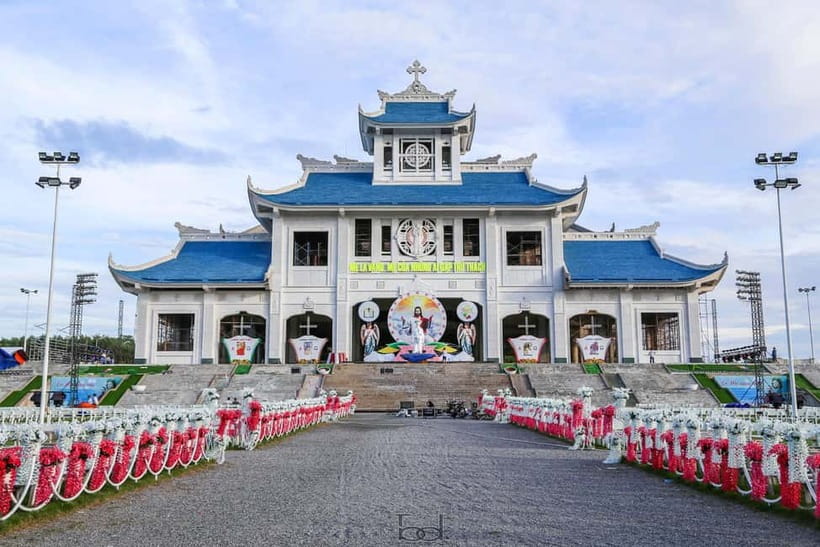
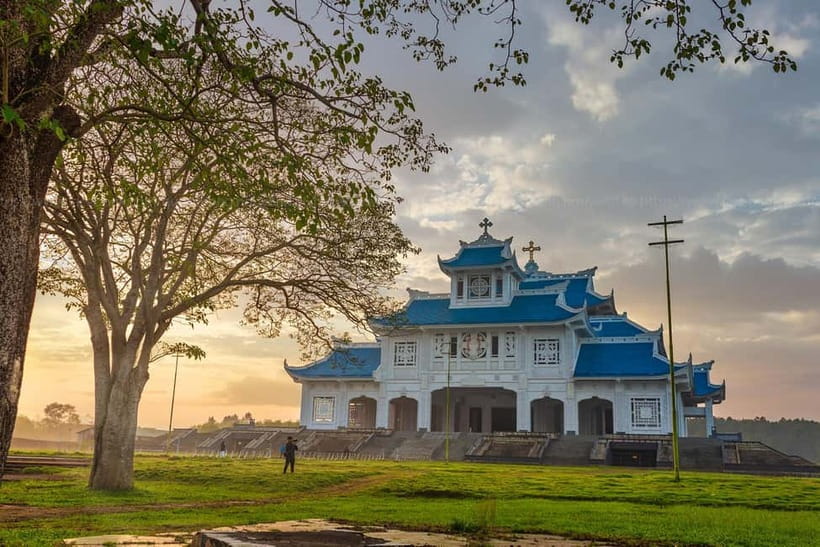
- La Vang Holy Land stop: a major Catholic pilgrimage site tied to a late-1700s Marian appearance story
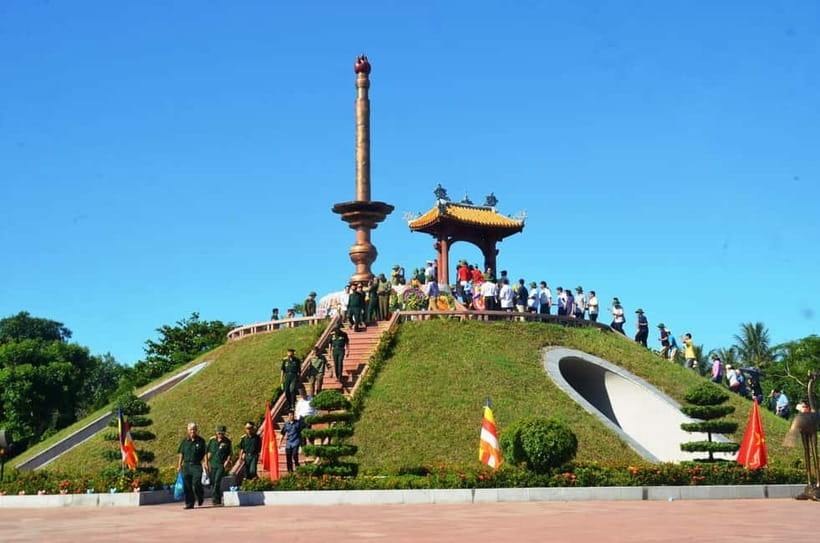
- Quang Tri Citadel and the 81-day battle memorial: a solemn place with moving context and namesakes you can’t ignore
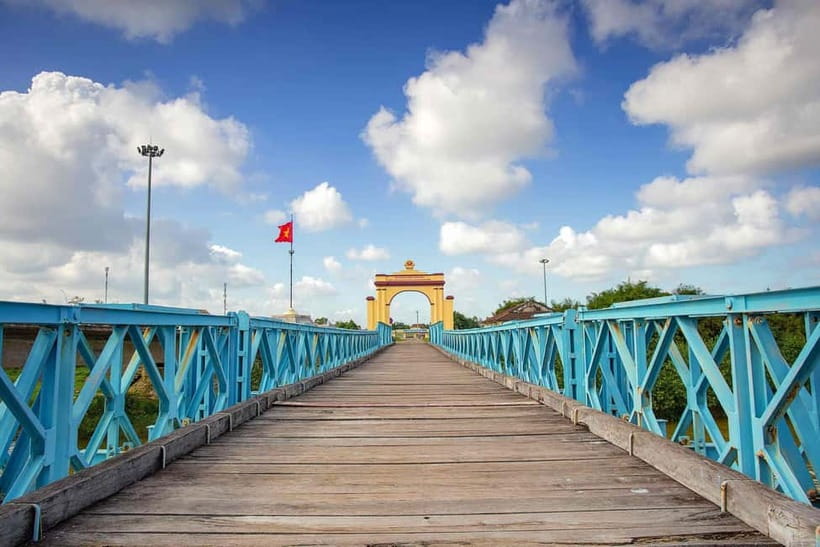
- Hien Luong Bridge at the 17th parallel: you’ll learn the Geneva Accords division and see division-era symbols
- Ho Chi Minh Trail (Western Branch) storytelling: on-the-road context about supplies moving from North to South
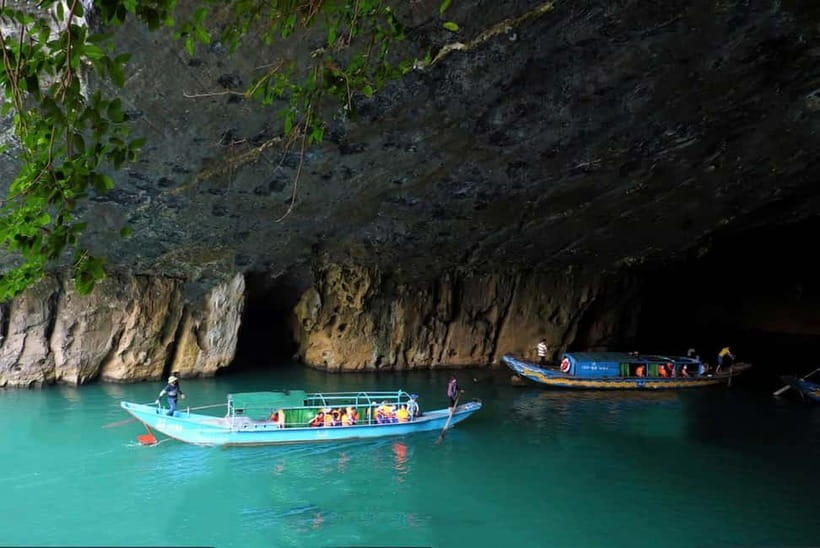
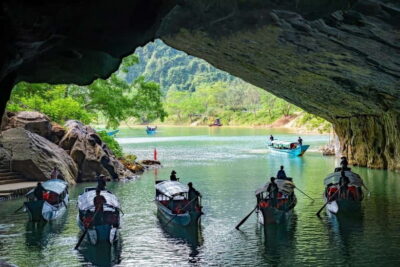
- Phong Nha Cave by motorized boat: about 1.5 km in, with a guide explaining formations and wartime hiding roles
North to the old DMZ and Vinh Moc
- Hue: Half-Day DMZ Tour to Vinh Moc Tunnels by Private Car★ 4.9 · 57 reviews
- Hue : Private Day Trip to DMZ : Vinh Moc tunnel & Khe Sanh★ 5.0 · 26 reviews
- From Hue: Private Half-Day DMZ Tour with Vinh Moc Tunnels★ 4.8 · 22 reviews
- DMZ Half-Day Tour from Hue: Vinh Moc Tunnels★ 4.8 · 12 reviews
The value: one ticket, two very different Vietnam moods
For $85 per person, this day trip is really buying convenience. You’re covering a big geographic chunk of central Vietnam with an air-conditioned vehicle, an English-speaking guide, and a stack of entrance fees already handled: La Vang, Quang Tri Citadel, Hien Luong Bridge, and Phong Nha Cave. Then you add the lunch in Phong Nha plus the dragon boat tickets for the river portion inside Phong Nha Cave.
That mix is the point. The morning asks you to slow down and take in loss—Quang Tri and the 81-day battle memorial aren’t the kind of sites you skim. The afternoon does the opposite: the cave is cool, dark, and otherworldly, with stalactites and stalagmites millions of years old and an underground river system that’s still impressively alive with sound and light.
If you’re doing central Vietnam with limited days, I like that this tour gives you range without the planning headache of stitching together multiple long transfers. Just be honest about your energy level: it’s an early start and a full day.
06:00 departure from Hue: the day begins with the right kind of early
You’re picked up at around 06:00 from the center of Hue City. From there, you travel north on National Highway 1A toward the DMZ area. This early timing matters because the drive takes time, and you’ll want daylight for the road and morning stops.
A practical note: the tour is designed as one continuous day. That means you’re not padding the schedule with optional detours or long breaks. The transportation has rules—no smoking, and food or drinks aren’t allowed on the vehicle. So if you’re the type who likes to snack between stops, make sure you’re ready for the tour’s rhythm and rely on the included lunch at a local restaurant in Phong Nha.
Also plan what you’ll wear. Comfortable shoes are a must, and you’ll benefit from a hat and sunscreen, since the day includes outdoor time before you get to the cave’s cool air.
La Vang Holy Land: faith, history, and a quieter pause
The first major stop is La Vang Holy Land, beginning around 07:00. This is one of Vietnam’s most important Catholic pilgrimage sites, connected to a story of a Marian appearance in the late 18th century during a period of religious persecution under King Canh Thinh (Tay Son Dynasty).
What I like about this stop is the contrast it provides. After the long morning ride, La Vang gives you a more reflective scene than the later military memorials. It’s also a reminder that Vietnam’s story isn’t only war and politics—religion, identity, and community memory have shaped the country just as powerfully.
The main consideration here is pace. It’s a tour stop, so you’ll have time to see and take in what you can, but you won’t have hours to wander. If you’re the kind of person who likes slow travel, you may find yourself craving more time at the site. But if you’re focused on covering the bigger historical arc, this fits the schedule well.
Underground at Phong Nha and Paradise Cave
Quang Tri Ancient Citadel: the 81-day battle memorial hits hard
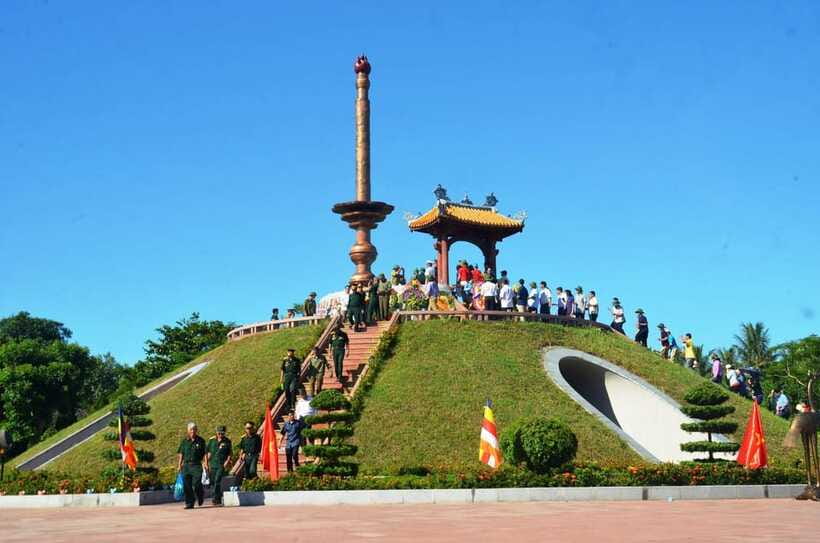
Around 07:30 to 08:40, the tour shifts to Quang Tri Ancient Citadel. The fortress has roots in the early 1800s (built in 1809 during Emperor Gia Long’s reign), but what you’re really there to face is the 81-day battle in the summer of 1972.
In the current setting, Quang Tri Citadel functions as a memorial cemetery and final resting place of thousands of unidentified soldiers. That detail matters. It’s not a tidy history lesson; it’s a place built around names you can’t see and losses you can’t fully measure.
I’ve found that sites like this work best when you approach them with a little patience. Don’t rush for photos. Spend a few moments reading what’s there, then look outward and take in the setting. The guide’s job is to connect the dots—what happened, why this location mattered, and how the memorial holds the meaning together.
From what I’ve seen shared in tour experiences, the narration here can be very heartfelt, often guided by an English-speaking leader such as Hoang, who explains the battle context in a way that feels clear rather than detached.
Hien Luong Bridge on the 17th parallel: division made visible
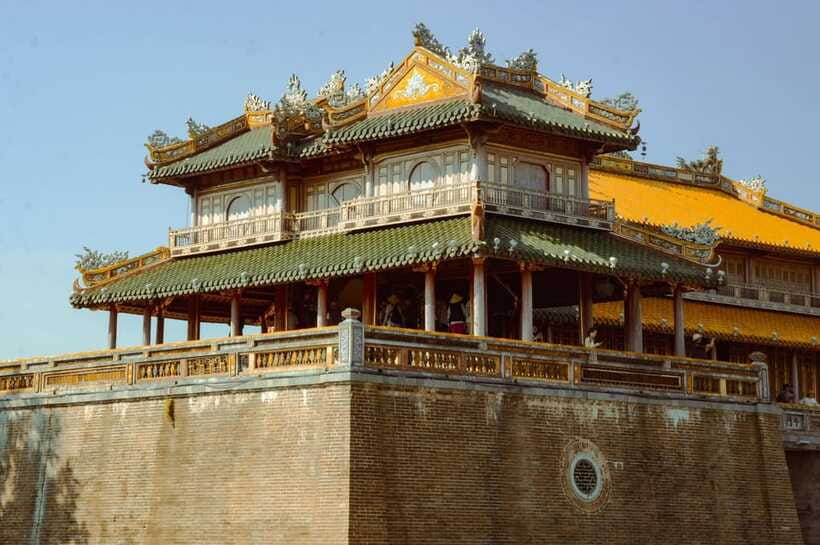
Next comes Hien Luong Bridge – Ben Hai River (around 09:40). This is one of those locations that’s easier to understand once you’re physically there. The area marked the temporary division of North and South Vietnam under the Geneva Accords in 1954.
What you’ll learn isn’t only political. You’ll hear about the psychological warfare that took place at the bridge and along the dividing line. Expect details like:
- propaganda loudspeakers
- flagpole height contests
- bridge color competitions between the two sides
And you’ll be shown the symbols of division, including the white demarcation line, dual flagpoles, and the presence of a war relic museum in the area.
This stop can feel surprisingly interactive even though you’re standing still. You’re looking at the exact kind of physical markers that made a border real for everyday people. The trick is to slow down and let those small details do their job.
One more practical point: it’s still outdoors at this part of the day. Hat and sunscreen pay off here, because you’ll likely spend time in the sun before the cave cool-down.
Riding the Ho Chi Minh Trail (Western Branch): stories on the road
Around 10:00, the tour begins transferring to Phong Nha, traveling via the Western Branch of the Ho Chi Minh Trail. This is when the guide starts tying Vietnam’s wartime geography into the places you just visited.
You’ll hear stories about the Ho Chi Minh Trail as a vital supply route—food and weapons moving from North to South during the American War. The value here is mental mapping. After Quang Tri and Hien Luong Bridge, this road narration helps you connect the dots between the division you saw and the routes people used to move resources through difficult terrain.
I like this part because it keeps your attention without adding more walking. You’re in transit, but it doesn’t feel like empty time. If your guide is strong (many English guides in this route are), you’ll come away with a better grasp of how logistics shaped history.
The drive to Phong Nha: why it feels long (and why it works)
You’ll reach Phong Nha for lunch around 12:30. That gap between the historical stops and the cave matters because it lets you reset physically. And it sets expectations: this is not a “one hour and done” day.
One thing I’d plan for: you’re leaving the cooler, reflective mood of memorial sites and driving into a completely different setting. If you’re someone who gets motion-sick, consider preparing for a long ride early in the morning. The vehicle is air-conditioned, which helps.
By the time you arrive, you’re ready for a proper meal and a chance to sit. Many tour experiences highlight that lunch is included and can be quite good, which is exactly what you want on a day like this.
Lunch in Phong Nha: included fuel before the cave
Lunch is included at a local restaurant in Phong Nha around 12:30, with an option to choose vegetarian dishes. The tour is clear about what to expect here: a break before the cave.
Practical tip: keep your lunch lighter than your normal travel splurge. You’re going into a boat and then deeper into a cave environment, and you’ll want to feel comfortable once you’re inside. Also remember the tour’s general rule about no food or drinks on transportation—so rely on lunch for your main eating time.
This meal is your buffer. It reduces the chance you’ll feel wiped out before you even get to the cave.
Phong Nha Cave by boat: the moment history turns into nature
At about 13:30, you reach Phong Nha Cave. It’s recognized by UNESCO as a World Natural Heritage Site. The big nature hits here are:
- the longest underground river in Southeast Asia
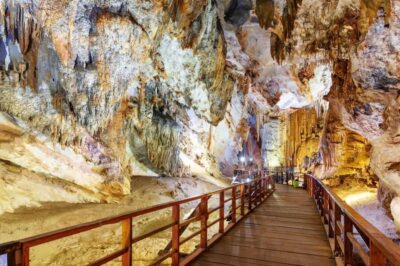
- stalactite and stalagmite formations dating back millions of years
- wartime use as a hiding and storage place for the Liberation Army
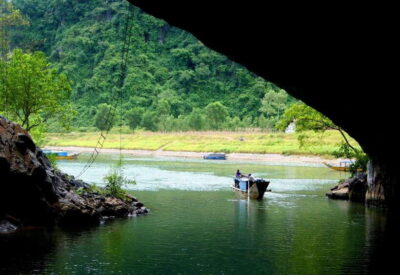
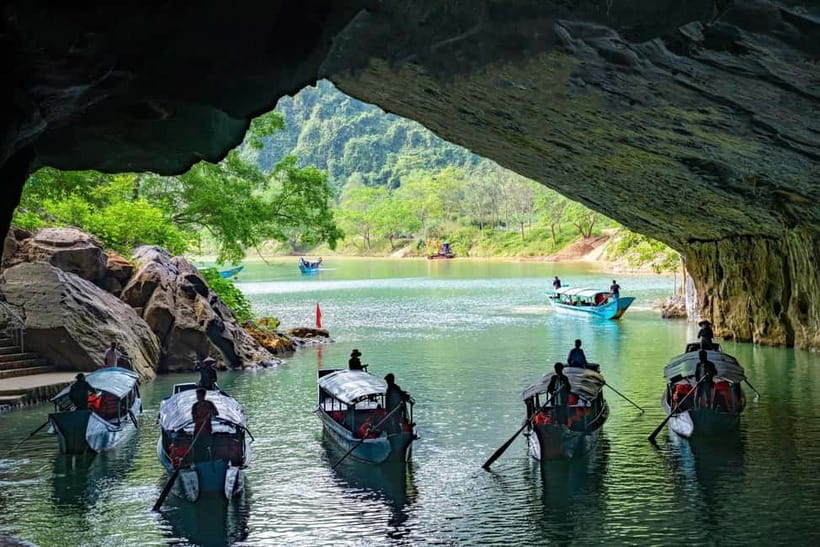
You take a motorized boat on the Son River, traveling roughly 1.5 km deep into the cave. Then you continue with cave guidance from your boat/inside guide, with commentary about geology, formations, and historical significance.
What makes this part work is contrast in your senses. Morning is heat and history. Inside the cave, you’re suddenly dealing with cool air and the sound of water dripping and moving through stone. Even if you’re not a geology nerd, the way light reflects off formations makes it easy to understand why this place draws serious attention.
And the wartime connection isn’t tacked on as a trivia fact. It’s built into how you interpret what you’re seeing. The cave is both natural wonder and part of human strategy.
In past tour experiences, people also call out how the boat ride can feel calm and refreshing after the more intense DMZ stops. That’s a real pattern: the day’s mood changes because the environment changes.
Timing and drop-off: what your evening might look like
The tour ends around 16:00. After that, you’re transferred to one of these options:
- Dong Hoi (city center, train station, or airport)
- Phong Nha (for those staying overnight)
- return to Hue upon request
This matters for planning your next day. If you’re catching transport out of Dong Hoi or need to be somewhere specific, confirm your drop-off location when you book. The tour is designed to give you a smooth handoff, but your evening depends on where you’re headed next.
Also remember the schedule is full. Even though you’re moving between places with stops, there’s no casual pacing. Bring patience. You’ll feel it most on the road, not once you’re in the cave.
Who this tour suits best (and who should skip it)
This is a great fit if you:
- want DMZ history and Phong Nha nature in a single day
- enjoy guided interpretation, especially for sites that are heavy and symbolic
- value having transport and tickets handled for you
- like the idea of a cool-air cave reset after a powerful memorial morning
It’s not a great fit if you:
- are pregnant (not suitable)
- have back problems (not suitable)
- need wheelchair accessibility (not suitable)
Also plan for moderate walking. You’ll want comfortable shoes even if you’re mostly sitting on the vehicle and boat.
Price check: is $85 worth it?
At $85 per person, the price is reasonable if you’re counting what’s included. You’re paying for:
- air-conditioned transport for the full route from Hue to the DMZ area and onward
- an English-speaking guide
- entrance tickets for La Vang Holy Land, Quang Tri Citadel, Hien Luong Bridge, and Phong Nha Cave
- dragon boat tickets for the river portion inside Phong Nha Cave
- lunch in Phong Nha, including a vegetarian option
- 2 bottles of Lavie water per guest per day
That’s not a small bundle. If you’d otherwise have to buy multiple tickets, coordinate separate transfers, and find a guide who links the story across the day, the package starts to make more sense.
Just keep your budget honest: there can be extra fees. The tour notes a far pick-up surcharge if you stay outside the pick-up area, Tet holiday fees of 10 USD per person, and a holiday surcharge for April 28 to May 2 (150,000 VND per person).
Should you book the Hue to DMZ and Phong Nha Cave day trip?
If you only have limited time in central Vietnam, I think this is a smart choice. The strongest reason to book is the day’s structure: it forces a connection between war history and the natural space that people once used for survival and concealment. When the guide is good, like Hoang has been for multiple groups, the morning stops stop feeling like separate attractions and start feeling like one continuous story.
Skip it if you hate long days or you need mobility support. The schedule runs early and ends later in the afternoon, and the tour isn’t suitable for pregnant travelers, people with back problems, or wheelchair users.
If you’re comfortable with an early start, bring your hat and sunscreen, wear good shoes, and lean into the contrast—this one delivers both the heavy and the awe without asking you to plan a thing.
FAQ
What time does the tour start in Hue?
The tour departs Hue at around 06:00, with a pick-up at the center of Hue City.
What are the main stops on the itinerary?
The day includes La Vang Holy Land, Quang Tri Ancient Citadel (and the 81-day battle memorial), Hien Luong Bridge at the 17th parallel, the drive via the Western Branch of the Ho Chi Minh Trail, and Phong Nha Cave.
Is lunch included, and is there a vegetarian option?
Yes. Lunch is included at a local restaurant in Phong Nha, and there is an option to choose vegetarian dishes.
How do you enter Phong Nha Cave?
You take a motorized boat on the Son River and travel about 1.5 km deep into the cave. Cave guidance includes commentary during the visit.
Where will I be dropped off after the tour ends?
The tour ends around 16:00, and you’ll be transferred to Dong Hoi, Phong Nha (for overnight stays), or back to Hue upon request.
Is this tour wheelchair accessible or suitable for everyone?
No. It is not suitable for wheelchair users, and it is also not suitable for pregnant women or people with back problems.
More Tour Reviews in Hue Vietnam
- Hue Customizable Tour with Imperial Citadel & Forbidden City
★ 4.9 · 937 reviews - Hue :Exploring Royal City with Multi Options and Dragon Boat
★ 5.0 · 675 reviews - Hue City Tour Full Day – Group Tour
★ 4.7 · 518 reviews - From Hue: DMZ Tour with Vinh Moc Tunnels and Khe Sanh Base
★ 4.9 · 503 reviews - Hue: Private Car to Hoi An via Fabulous Stops
★ 5.0 · 371 reviews - From Hue: Hoi An Bus Transfer with 4 Sightseeing Stops
★ 4.6 · 366 reviews
The Great Caves at Phong Nha
- Half-Day Phong Nha Cave Adventure by Dragon Boat
★ 4.9 · 39 reviews - From Hue: Phong Nha Cave & Paradise Cave Full-Day Trip
★ 4.6 · 25 reviews - Phong Nha National Park: Paradise Cave Half-Day Tour
★ 5.0 · 23 reviews - Phong Nha/Dong Hoi: DMZ Tour – Vinh Moc & Khe Sanh Base
★ 5.0 · 10 reviews - From Hue: Explore Phong Nha Cave – Full Private Package
★ 4.6 · 8 reviews - From Hue: One day explore Paradise Cave, Thien Duong cave
★ 3.6 · 7 reviews
North to the Old Front Line
- From Hue: DMZ Tour with Vinh Moc Tunnels and Khe Sanh Base
★ 4.9 · 503 reviews - Hue: Half-Day DMZ Tour to Vinh Moc Tunnels by Private Car
★ 4.9 · 57 reviews - Hue : Private Day Trip to DMZ : Vinh Moc tunnel & Khe Sanh
★ 5.0 · 26 reviews - From Hue: Private Half-Day DMZ Tour with Vinh Moc Tunnels
★ 4.8 · 22 reviews - DMZ Half-Day Tour from Hue: Vinh Moc Tunnels
★ 4.8 · 12 reviews - DMZ and the Hidden Stories of War – Full-Day Tour from Hue
★ 5.0 · 11 reviews
Latest Hue Tours We Have Written Up




DMZ & War History Day Trips, compared.
 ★ 4.9From Hue: DMZ Tour with Vinh Moc Tunnels and Khe Sanh BaseFrom $54503 reviews
 ★ 5.0DMZ TOUR HUE – Deluxe group tour full dayFrom $49383 reviews
 ★ 5.0DMZ & Vinh Moc Tunnels – Private Historical Tour from HueFrom $80188 reviews
 ★ 5.0Explore DMZ in Private: Vinh Moc & Khe Sanh from HueFrom $10199 reviews
 ★ 4.9Half-Day DMZ Tour to Vinh Moc Tunnels by Private CarFrom $1657 reviews
 ★ 5.0Private Day Trip to DMZ : Vinh Moc tunnel & Khe SanhFrom $1626 reviews
 ★ 5.0Vietnam DMZ Tour from Hue With The Best DMZ GuideFrom $10024 reviews
 ★ 5.0PRIVATE DMZ Tour from Hue – Half Day – Vinh Moc TunnelsFrom $7223 reviews
Browse the lists this tour appears in