
Reviewed · DMZ & WAR HISTORY DAY TRIPS
Hue Revolution Walking Tour Hue City during French & American War
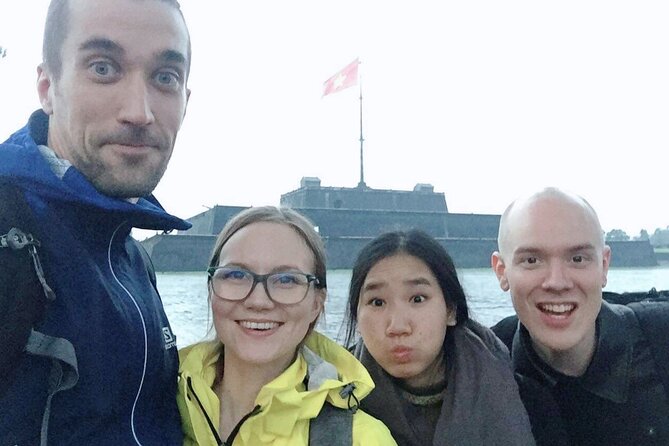
Hue’s war stories live in street corners. This 2.5-hour walking tour connects French and American-era conflict to real places, and I especially liked Thanh’s fluent English and flexible way of shaping the route around what I wanted to focus on. I also loved pairing citadel sights with a break at Dong Ba Market for everyday Hue flavor. The only real drawback is you’re outside for much of it, and the history comes fast—so plan for heat and stay ready to walk.
You start at DMZ Bar & Restaurant with a quick orientation, then head south to north through Hue, crossing the Truong Tien Bridge area and the Perfume River corridor. For $25, it feels like a smart use of limited time: a small group, a guide who can explain the connections clearly, and bottled water included.
In This Review
- Key highlights at a glance
- Meeting Thanh at DMZ Bar: Hue’s war-time map in 15 minutes
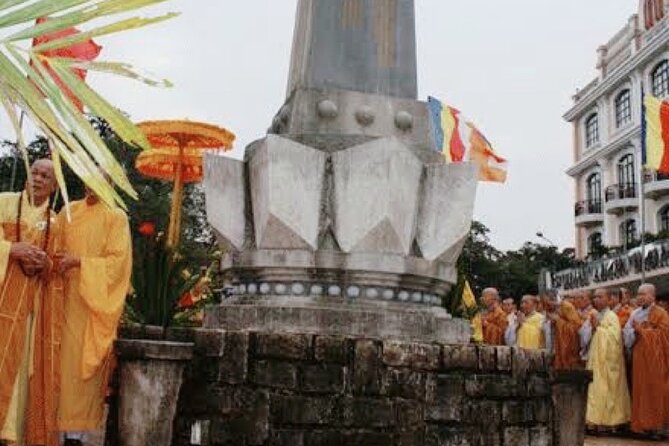
- From Ngo Dinh Diem to the Tet Offensive: protest sites with real meaning
- Hue University of Education and the 1908 anti-tax movement
- Dong Ba Market: the “food and daily life” break you’ll be glad you took
- Trường Tiền Bridge and the Perfume River: why this crossing mattered
- Hue Citadel area: Flag Tower and the nine cannons of Gia Long
- How the route connects French-era pressure to American-era reality
- Price and practical value of a $25 small-group walk
- Who should book this tour (and who might prefer something else)
- Should you book the Hue Revolution Walking Tour?
- FAQ
- How long is the Hue Revolution Walking Tour?
- Where do I meet the guide?
- What does the tour cost?
- Is bottled water included?
- How many people are in the group?
- Are admission tickets included for the stops?
- Is lunch or dinner included?
- What’s the cancellation policy?
- What happens if the tour is canceled due to weather?
Key highlights at a glance
- Meet Thanh at DMZ Bar for a focused start on Hue’s strategic role in the Vietnam War
- Small group (max 10), so you can ask questions without rushing
- War-meets-market stop at Dong Ba Market (perfect for finger fruit and sweet soup cravings)
- Trường Tiền Bridge + Perfume River context on why this crossing mattered
- Hue Citadel area sights like the Flag Tower and the famed nine-cannon artworks
North to the old DMZ and Vinh Moc
- DMZ TOUR HUE – Deluxe group tour full day★ 5.0 · 383 reviews
- DMZ & Vinh Moc Tunnels – Private Historical Tour from Hue★ 5.0 · 188 reviews
- Vietnam DMZ Tour from Hue With The Best DMZ Guide★ 5.0 · 24 reviews
- Hue Transfer to/from Dong Hoi & Phong Nha via DMZ Option★ 5.0 · 23 reviews
Meeting Thanh at DMZ Bar: Hue’s war-time map in 15 minutes
The tour begins at DMZ Bar & Restaurant on Lê Lợi Street. This matters because you don’t just show up at random monuments—you get a short orientation first. The guide uses that time to explain why Hue ended up in the middle of bigger conflict, including how the city’s location turned it into a strategic target.
You’ll also get your bearings fast. Even before the walking starts, you can understand the logic of the route: Hue isn’t presented as one war, one date, done. It’s layered. French-era pressures, later religious and political tension, and then the American-era escalation all connect in ways that are easier to grasp once your guide lays down the timeline.
I like that bottled water is included. Hue can hit you with heat quickly, and it’s nice not to think about logistics the moment you’re trying to listen.
From Ngo Dinh Diem to the Tet Offensive: protest sites with real meaning
After the orientation, the walking shifts toward specific protest and resistance themes. One stop focuses on the religious protest against the Ngo Dinh Diem regime. Another theme you’ll hear threaded through the story involves moments like the Tet Offensive, showing how political shockwaves played out in everyday life and public space in Hue.
Here’s the practical value: you’re not just looking at plaques. You’re learning the “why” behind them. A lot of war history in Vietnam can feel abstract until you connect it to local events and local stakes—who was pushing back, who was in power, and how ordinary people were affected.
A possible downside of this part: if you prefer your history light and your sightseeing mostly scenic, this section may feel like a lecture in walking form. The route is still enjoyable, but it rewards attention.
Hue University of Education and the 1908 anti-tax movement
One of the most interesting segments is the stop near Hue University of Education, where you learn about the Anti-Tax Movement of 1908. This isn’t framed as a random local dispute. The guide explains how local farmers and scholars rose up against heavy colonial taxes and harsh policies.
If you want a way to make sense of the whole tour, remember this: the story isn’t only about battles. It’s about control—who gets taxed, who gets protected, who gets ignored. When you understand that pressure, later episodes connected to resistance feel more logical, not just dramatic.
The tour also includes a stop described as a memorial relic of Uncle Ho’s participation connected to that same anti-tax movement at the Central Embassy area. That’s the kind of detail that helps you connect national figures to local uprisings, instead of treating Hue like a backdrop for someone else’s story.
Hue on foot, a handful more routes
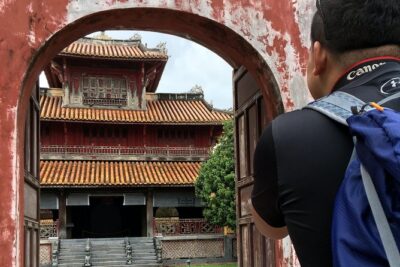
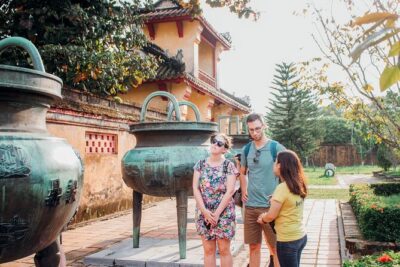
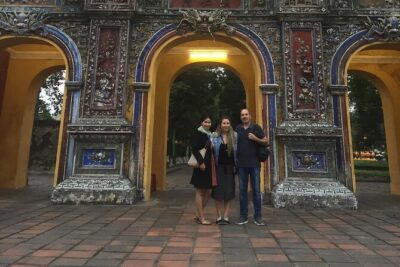
Dong Ba Market: the “food and daily life” break you’ll be glad you took

Then you get to Dong Ba Market, one of Hue’s oldest and liveliest market areas. This stop is more than a break for photos. It’s a chance to see Hue as a living city, not a set of wartime ruins.
I appreciate that the tour actively encourages you to try local tastes—especially finger fruit and sweet soup. Even if you don’t make it a full meal here, you’ll get a sense of how people actually spend time and money day to day.
Practical tip: bring a little cash for snacks. The tour includes bottled water, but personal food purchases fall under personal expense.
Trường Tiền Bridge and the Perfume River: why this crossing mattered
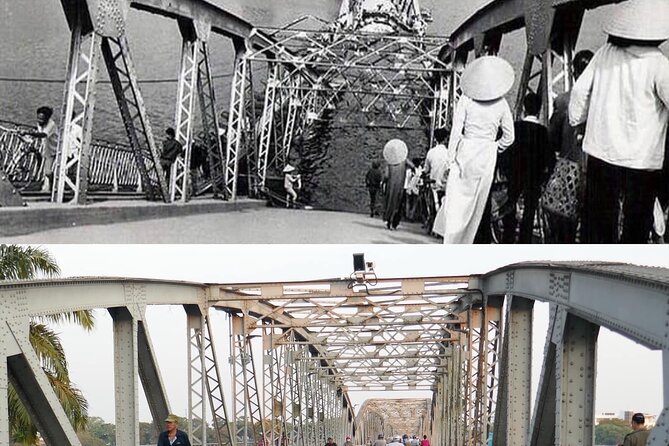
Next comes Trường Tiền Bridge, a major symbol of Hue—and, in the Vietnam War era, a major target. The guide explains how the bridge was heavily bombed and destroyed multiple times, cutting off access across the Perfume River.
This is where the tour earns its title. You’re looking at an everyday-looking landmark, but your understanding changes because you now know the strategic logic. Bridges are about movement. When movement is interrupted, everything else—supplies, evacuation routes, communication—gets harder fast.
If you like walking routes that turn into “living maps,” this is one of the best moments. You can stand near the river corridor and connect the geography to the conflict, instead of memorizing dates with no place to hang them.
Hue Citadel area: Flag Tower and the nine cannons of Gia Long
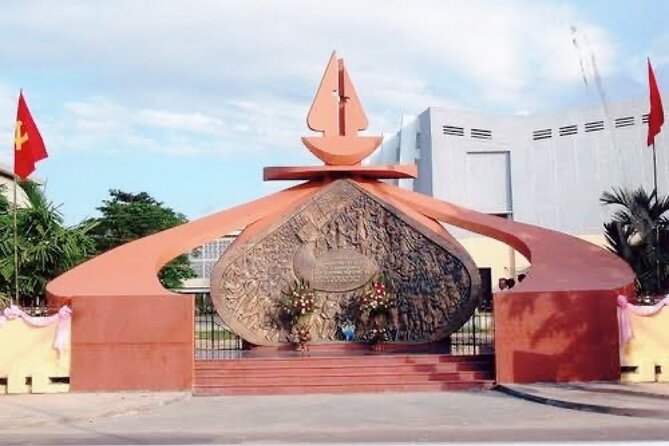
As you move toward the citadel zone, you’ll visit monuments tied to the Nguyen Dynasty, including the Flag Tower. It’s described as an architectural monument located within the Nam Chanh fortress area, also tied to where the royal court would hang the flag.
Then there’s a very specific artistic and historical highlight: nine cannons cast in Gia Long’s second year (1803). These are presented as among the most valuable bronze works of art, with the cannons placed at the foot of the Imperial… (the guide will point out the placement as you see the area).
This part can be surprisingly moving even if you’re not a “cannon person.” Why? Because you’re seeing how craftsmanship and power were built into Hue’s urban design. The tour doesn’t treat war as only modern destruction—it shows how older political centers shaped what later conflicts played out against.
A small consideration: citadel sections can involve walking on uneven surfaces and climbing small steps depending on where you stand for explanations. Wear shoes you trust.
How the route connects French-era pressure to American-era reality
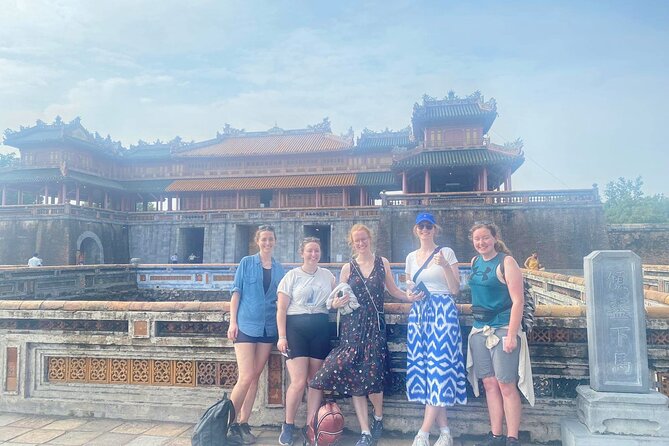
What makes this tour work is the way it links separate chapters. You start with Hue’s role under the larger umbrella of French and later American-era conflict, but you’re also taken to stops tied to earlier resistance themes, like the 1908 anti-tax movement.
You’ll also hear about key public moments such as the religious protest period and references to Tet Offensive-era impacts. That threading is useful because it helps you stop thinking about the Vietnam War as a single block of time.
Instead, you start seeing Hue as a city responding to repeated waves of power changes, political crackdowns, and public protest. The tour keeps that in motion by moving you physically across the city—south side to north side—so the story has a geography.
This is also where Thanh’s style shines. The guide’s English is strong and the explanations feel built for real understanding, not just a recitation of names.
Price and practical value of a $25 small-group walk
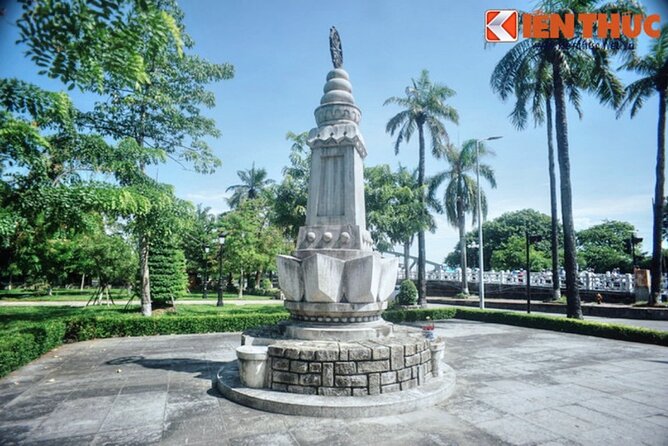
At $25 per person for roughly 2 hours 30 minutes, this is priced like a practical city tour rather than a fancy add-on. Here’s where the value comes from:
- Small group size (maximum 10) keeps the pace human and questions welcome
- Bottled water is included, so you don’t scramble immediately
- Admission is listed as free at the stops shown in the route
- You get an English-speaking guide with a strong command of Hue history
You’ll also notice the tour description calls it all inclusive, and mentions lunch or dinner. The listed inclusions don’t spell out meals explicitly, so if food is a must for you, it’s worth confirming what’s actually scheduled with your booking.
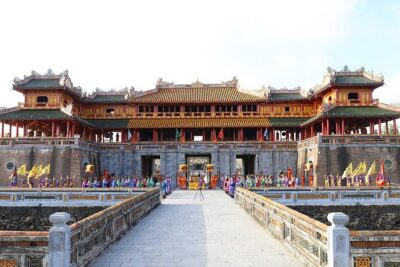
One more detail that affects value: the tour ends near Ngọ Môn Square. That’s not a random finish line. It can help you keep sightseeing right away instead of backtracking across town.
Also: the average booking time is about 8 days in advance, which tells me demand is steady. If your schedule is tight, book early so you’re not choosing between dates you don’t want.
Who should book this tour (and who might prefer something else)
This tour is best if you want history with a route. You’ll enjoy it most if you like learning how war connects to city design—bridges, towers, markets, and protest spaces.
It’s also a good fit if you appreciate guides who can tailor focus. Thanh’s flexibility and fluent explanations are a clear strength, and you’ll likely feel supported even if you’re not a “history expert” before you start.
If you want mostly peaceful sightseeing with minimal political context, this one may feel heavy. The tour is built around conflict and resistance themes, so even the market stop is framed as part of a larger story.
Should you book the Hue Revolution Walking Tour?
I think it’s a strong choice if you’re spending limited time in Hue and want to understand what you’re seeing, not just pass it on a scooter. The route is structured, the guide experience is a major asset (especially Thanh’s clear English and ability to shape the walk), and the mix of DMZ orientation, protest context, Dong Ba Market time, and citadel highlights makes it more than a list of monuments.
Book it if you’re ready to walk, listen, and connect the dots between French-era pressure and later American-era realities. Skip it if you want a lighter day with minimal political content. Either way, plan for outdoor time and good conditions.
FAQ
How long is the Hue Revolution Walking Tour?
It’s listed at about 2 hours 30 minutes.
Where do I meet the guide?
You meet at DMZ Bar & Restaurant, 60 Lê Lợi, Phú Hội, Huế.
What does the tour cost?
The price is $25.00 per person.
Is bottled water included?
Yes, bottled water is included.
How many people are in the group?
The tour has a maximum of 10 travelers.
Are admission tickets included for the stops?
Admission tickets are shown as free for the stops listed in the route.
Is lunch or dinner included?
The tour description says you’ll have lunch or dinner along with the city history exploration.
What’s the cancellation policy?
Free cancellation is available. You can cancel up to 24 hours in advance for a full refund.
What happens if the tour is canceled due to weather?
The experience requires good weather. If it’s canceled because of poor weather, you’ll be offered a different date or a full refund.
The Old Capital on Foot
- Hue: Imperial City Walk, Motorbike Tour & Private Car Options
★ 5.0 · 732 reviews - Hue Imperial City Walking Tour: Citadel & Forbidden City
★ 5.0 · 280 reviews - Hue Imperial City Walking Tour (Kids Half-Price)
★ 5.0 · 133 reviews - 3-Hours Hue Imperial Walking Tour with Guide with Lunch/ Dinner
★ 5.0 · 125 reviews - Half-Day Guided Street Food Walking Tour at Hue
★ 5.0 · 116 reviews - Hue Imperial City Tip-Based Walking Tour (Group Tour)
★ 5.0 · 59 reviews
More Tour Reviews in Hue
- Hue to Hoi An ( Hoi An to Hue) Top Gear with Lefamily Riders Tours ( 1 way)
★ 5.0 · 3,156 reviews - Easy Rider private tour via Hai Van pass from Hue – Da Nang – Hoi An (1Way|Loop)
★ 5.0 · 1,542 reviews - Easy Rider From Hue Da Nang Hoi An Via Hai Van Pass With Mister T
★ 5.0 · 769 reviews - Hue to Dn/Hoi An: Hai Van Pass, beaches & Mt Monkey or vice versa
★ 5.0 · 743 reviews - Hue: Imperial City Walk, Motorbike Tour & Private Car Options
★ 5.0 · 732 reviews - Hue city Deluxe Group Tour (Daily Tour-12 pax max)
★ 5.0 · 569 reviews
North to the Old Front Line
- DMZ TOUR HUE – Deluxe group tour full day
★ 5.0 · 383 reviews - DMZ & Vinh Moc Tunnels – Private Historical Tour from Hue
★ 5.0 · 188 reviews - Explore DMZ in Private: Vinh Moc & Khe Sanh from Hue
★ 5.0 · 99 reviews - Vietnam DMZ Tour from Hue With The Best DMZ Guide
★ 5.0 · 24 reviews - PRIVATE DMZ Tour from Hue – Half Day – Vinh Moc Tunnels
★ 5.0 · 23 reviews - Hue Transfer to/from Dong Hoi & Phong Nha via DMZ Option
★ 5.0 · 23 reviews
Latest Hue Tours We Have Written Up





DMZ & War History Day Trips, compared.
 ★ 4.9From Hue: DMZ Tour with Vinh Moc Tunnels and Khe Sanh BaseFrom $54503 reviews
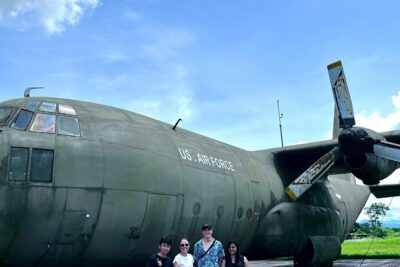 ★ 5.0DMZ TOUR HUE – Deluxe group tour full dayFrom $49383 reviews
 ★ 5.0DMZ & Vinh Moc Tunnels – Private Historical Tour from HueFrom $80188 reviews
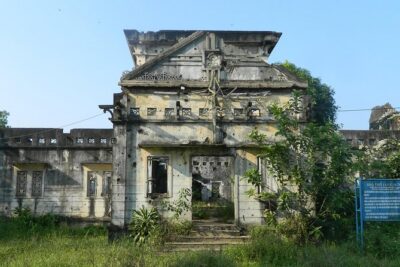 ★ 5.0Explore DMZ in Private: Vinh Moc & Khe Sanh from HueFrom $10199 reviews
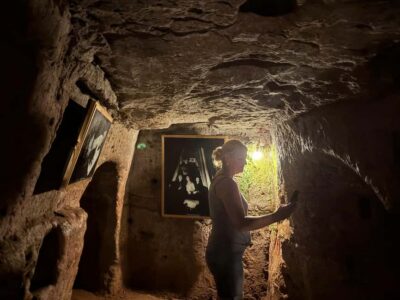 ★ 4.9Half-Day DMZ Tour to Vinh Moc Tunnels by Private CarFrom $1657 reviews
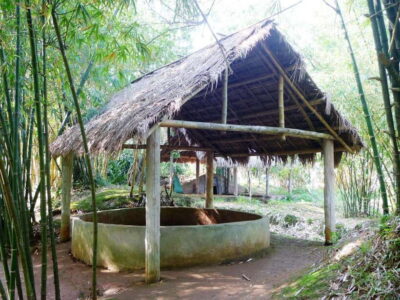 ★ 5.0Private Day Trip to DMZ : Vinh Moc tunnel & Khe SanhFrom $1626 reviews
 ★ 5.0Vietnam DMZ Tour from Hue With The Best DMZ GuideFrom $10024 reviews
 ★ 5.0Hue Transfer to/from Dong Hoi & Phong Nha via DMZ OptionFrom $6523 reviews
Browse the lists this tour appears in