

Reviewed · MARBLE MOUNTAINS & COASTAL STOPS
Hue: Enchanting Marble Mountains And Hoi An’s Timeless Charm
Marble Mountains and Hoi An in one day. This Hue-to-Da Nang outing pairs Marble Mountains cave-and-pagoda views with a guided walk through Hoi An Ancient Town, where the streets still feel like the old seaport days.
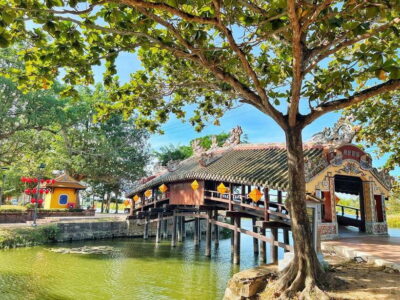
I like the guided structure. You’re not guessing where to go, yet you still get plenty of time to stroll and look closely at details. I also love how the day shows a real cultural mash-up—Vietnam, China, Japan, and France—right in the architecture, right down to the tile-roof Japanese Covered Bridge.
One big consideration: Marble Mountains involves climbing lots of steps. The ride includes a one-way elevator at the site, but if stairs are hard for you (or if you’ve already toured similar grottoes), this portion may not feel worth the effort. Also, the Japanese Covered Bridge area can have renovation activity, so it helps to keep expectations flexible.
In This Review
- Key Highlights You’ll Actually Feel
- Hue To Hoi An: One Long Day With Two Big Anchors
- Marble Mountains (Ngu Hanh Son): Steps, Caves, and Pagoda Views
- Nhựt Mạnh Stone-Carving Stop: More Than a Photo Break
- Lunch in the Middle of the Day: A Reset Before Hoi An
- Hoi An Ancient Town by Foot: A Compact Heritage Loop
- Hoi An Market Stop: Quick Sights and Food-Time Energy
- Assembly Halls and Heritage Museums: Chinese Influence You Can See
- Traditional Art Performance Theatre: A Pause With a Cultural Angle
- Old House of Tan Ky: When Architecture Becomes the Story
- Mót Hội An Snacks and Regional Tastes
- Japanese Covered Bridge: Tile Roof, Icon Status, and a Heads-Up
- Protestant Church Walk-By Stop: Another Layer of Old Town Faith
- The Logistics That Make or Break a Day Like This
- Price and Value: Is $99 Actually Fair?
- Who This Hue to Hoi An Day Trip Fits Best
- Should You Book This Tour?
- FAQ
- How long is the tour?
- Where does pickup happen?
- What is included in the $99 per person price?
- Are entrance fees covered?
- Is there lunch during the day?
- How much time do you spend in the Hoi An area?
- Is the tour wheelchair accessible?
- What is the cancellation policy?
- Can I reserve now and pay later?
Key Highlights You’ll Actually Feel
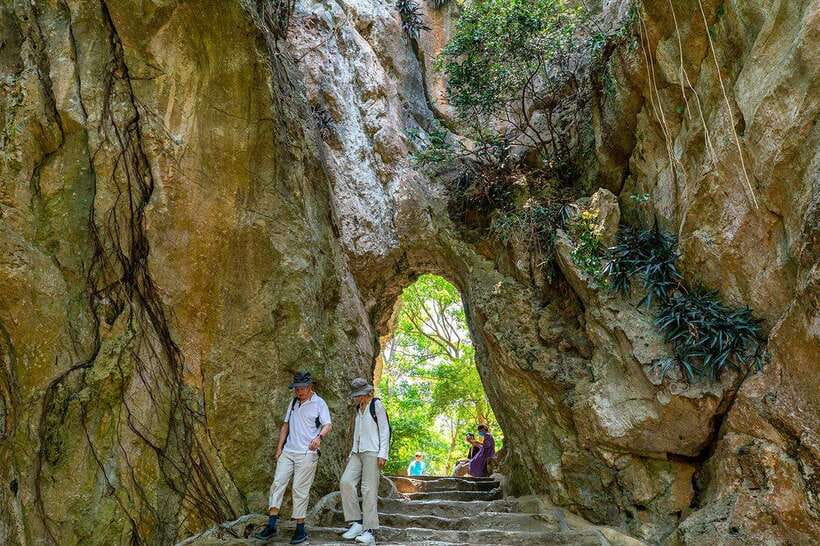
- Marble Mountains (Ngu Hanh Son): caves, stone-carved pagodas, and panoramic views from lots of steps
- Lunch built in: you eat at a local restaurant with about 1.5 hours to take a breather
- Hoi An Ancient Town on foot: compact, walkable heritage sites in a single loop
- Fujian and other assembly halls: Chinese cultural influence you can see, not just hear about
- Japanese Covered Bridge: the famous tile-roof look, plus a quick connection point to the rest of the old town
- Snacks and a small market stop: a brief food-market moment and local treats
Grottoes and shrines in the Marble Mountains
- Hue to Hoi An by bus: Hai Van Pass, Lang Co, Marble mountain★ 4.6 · 27 reviews
- Driver Hue to HOI AN : see Hai Van Pass – Marble Mountain★ 5.0 · 4 reviews
Hue To Hoi An: One Long Day With Two Big Anchors
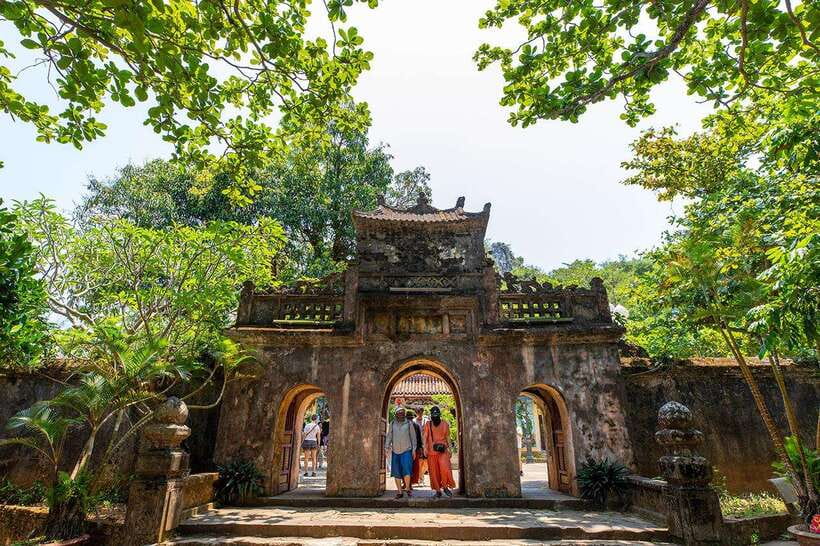
This is an 11-hour day trip that runs like a “greatest hits” circuit. You start in Hue, ride by air-conditioned coach to the Marble Mountains area, then continue on to Hoi An for a focused walking tour of the old town highlights. It’s not a slow, meander-all-day style trip. It’s designed to deliver key sights efficiently.
For me, the appeal is the pairing. Marble Mountains gives you a dramatic mix of nature and religious architecture—caves, pagodas, and stonework—while Hoi An Ancient Town gives you the human scale: streets, shopfront details, old houses, and community assembly halls.
The schedule does mean you’ll spend a good chunk seated on the bus. That’s normal for this kind of route, but it’s worth knowing so you can plan your energy. Bring water if you’re picky about drinking timing, and wear shoes you trust. Your day is mostly walking after you arrive in Hoi An.
Marble Mountains (Ngu Hanh Son): Steps, Caves, and Pagoda Views
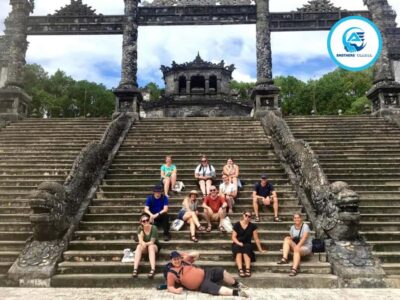
The Marble Mountains side is where the day gets its jawline. The Vietnamese name Ngu Hanh Son translates to “five elements mountains,” and that theme fits the site’s spiritual feel. Once you arrive, you’ll climb numerous steps to reach caves and stone-carved pagodas. The payoff is the chance to see the area from higher viewpoints—exactly the kind of moment you remember later.
A practical note: this stop is more “vertical” than most city sightseeing. The included one-way elevator helps you control effort, but you should still expect stairs when you explore caves and temple areas. If you’re comfortable climbing, you’ll probably enjoy it. If stairs wear you out quickly, you may want to pace yourself and use pauses to take in views.
You also get a guided visit, which matters here. Marble Mountains isn’t just one single landmark. It’s a cluster of caves, shrines, and stonework. A guide helps you understand what you’re looking at—especially the religious side—and it keeps you from wandering into dead ends.
Nhựt Mạnh Stone-Carving Stop: More Than a Photo Break
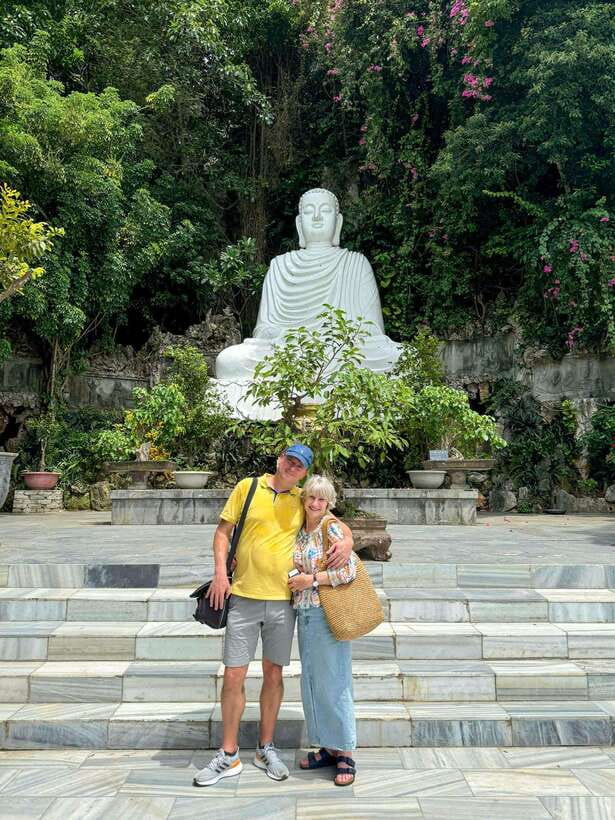
After Marble Mountains, the program includes a visit to Cơ sở điêu khắc đá Nhựt Mạnh for about 30 minutes. This is one of those stops that can either feel like a detour or add real context—depending on your interest in how a place makes its living.
Here’s why it can be worth your time: Marble Mountains is famous for stonework culture, so seeing a carving workshop-style stop can help you connect the dots between what you saw on the mountains and what gets made on the ground. Even if you don’t buy anything, watching the craft process gives you a better feel for why the region’s stone-carved pagodas look the way they do.
If you’re not into workshops, still treat it as a short cultural palate cleanser before you hit Hoi An. Just keep your expectations realistic: this is a brief visit, not a full artisan masterclass.

Lunch in the Middle of the Day: A Reset Before Hoi An
You’ll stop for lunch at a local restaurant for about 1.5 hours. For day trips, this is more than food. It’s your timing buffer. You’ll likely start walking more in Hoi An after lunch, so you want a real break rather than a 20-minute snack.
The tour includes bottled drinking water and entrance fees, and lunch is part of the package. That combination is helpful: you avoid the “where do we eat and how much does it cost?” scramble while you’re already in transit.
If you’re someone who hates sitting too long, you can still use the time smartly. Eat early in the lunch window, then use the remaining minutes to hydrate and plan what you want to see first when you get to the old town streets.
Hoi An Ancient Town by Foot: A Compact Heritage Loop
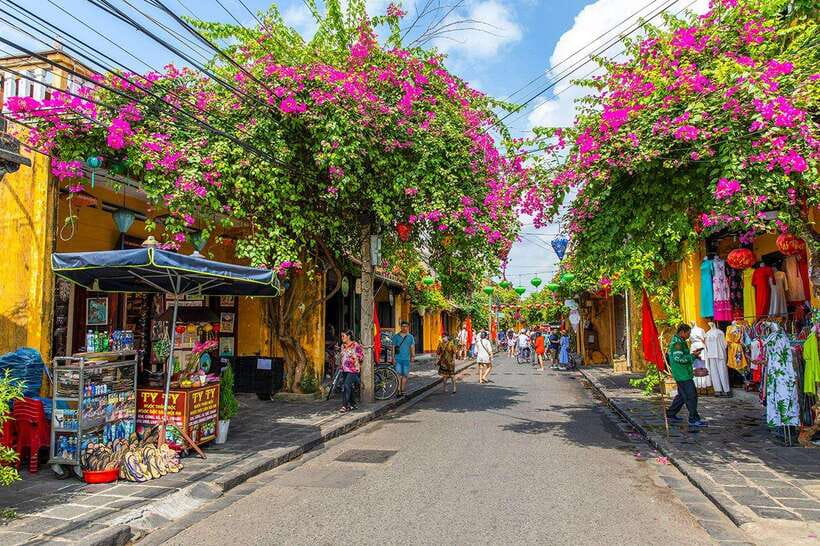
Hoi An is the second engine of this day, and it’s where the pace becomes enjoyable. Once you’re in the historic area, you’ll do a walking route with guided stops and short stroll segments. The advantage of Hoi An on foot is simple: you can shift attention from building to building without constantly changing transport.
The tour is planned around the kinds of places that show how Hoi An became a trading crossroads. You’ll see the city’s cultural blend through museums, ancient houses, and community buildings, with influences noted as Vietnam, China, Japan, and France.
You’ll also get short, guided visits that keep you moving, but not rushed. Each stop is typically 15–35 minutes, which helps you maintain focus. The downside is you won’t have hours of unstructured wandering. If you love slow street photography, you may want to leave extra time for that on a separate visit in the future.
Hoi An Market Stop: Quick Sights and Food-Time Energy

One of the more practical stops is Hoi An Market, with a short guided visit and food-market time of about 25 minutes. This is not a huge shopping spree session. It’s more like a taste of how daily life overlaps with the tourist zone.
Why I think it works: markets are sensory, and Hoi An is a place where you can understand the city faster through what people sell and eat. The program also includes a brief snack stop later, so this market moment helps you decide what sounds good without turning the day into a food marathon.
If you’re sensitive to crowds, keep in mind that markets are typically busier than temple courtyards. Arrive calm, look quickly, and don’t stress about finding the perfect bite in such a short window.
Assembly Halls and Heritage Museums: Chinese Influence You Can See

Two of the strongest cultural stops are tied to Chinese influence in Hoi An’s trading era.
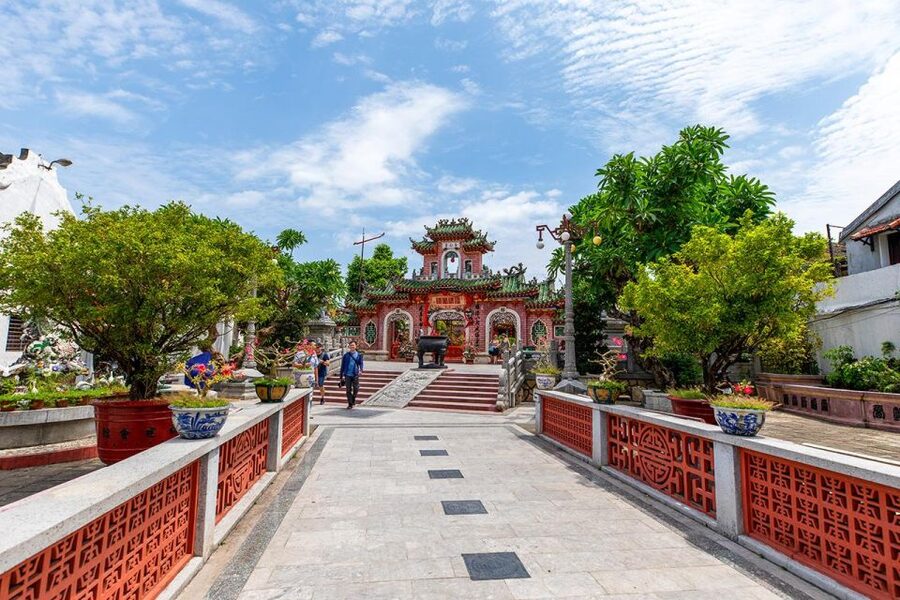
First up is the Fujian Assembly Hall (about 25 minutes). Assembly halls are where community groups met, organized events, and supported networks tied to shared origins. In a place like Hoi An, these buildings help you understand how foreign communities weren’t just passing through. They settled, built institutions, and left a visual imprint.
Then you visit the Hoi An folk museum (about 15 minutes). Museums in historic towns are sometimes hit-or-miss, but here the point is to add a layer of interpretation. You’re not only seeing buildings; you’re learning the style, symbols, and local identity connected to those buildings.
If you like structure—seeing a theme and following it—these stops fit well. If you’re more into street wandering than learning facts, you may treat them as quick orientation stops and spend more time outdoors and between them.
Traditional Art Performance Theatre: A Pause With a Cultural Angle

Next is the Hoi An Traditional Art Performance Theatre (about 35 minutes). The program includes a guided visit here, so it’s positioned as a cultural stop rather than free time.
For me, this is a good mid-route balance. You’ve spent time on stone, then market energy, then architecture. A theatre stop gives your brain a different kind of input. Even if a performance isn’t the main focus for your specific day, the theatre setting signals that Hoi An keeps traditions visible, not just archived.
Old House of Tan Ky: When Architecture Becomes the Story
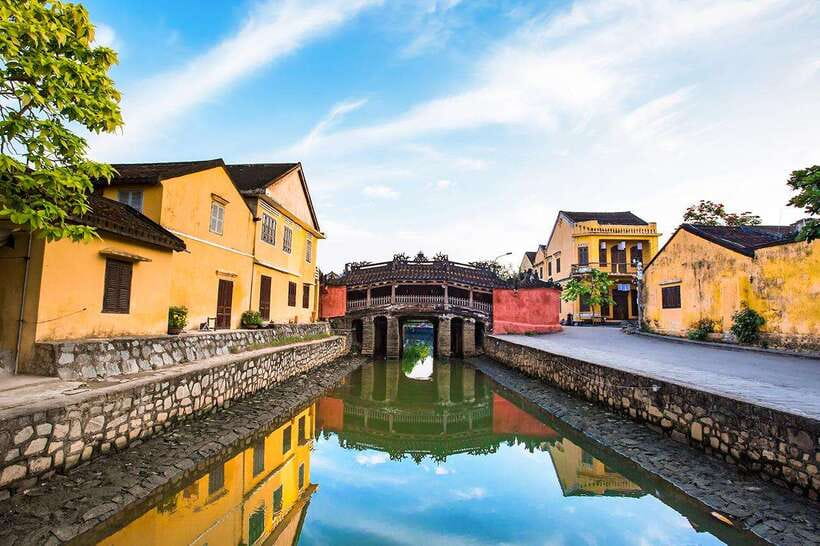
The Old House of Tan Ky is one of the must-visit heritage homes on the route, with about 15 minutes and guided context. You’ll see architecture shaped by the city’s merchant past—design choices made for family life, trade connections, and adaptation over time.
Old houses in Hoi An are valuable because they teach you how “quiet” architecture can be expressive. You notice details that a big monument might hide: layout, workmanship, and the way light moves through interior spaces.
This is also a good stop for people who like authenticity over speed. A house can’t fake its age. You can only look and read the design.
Mót Hội An Snacks and Regional Tastes
There’s a short stop labeled Mót Hội An – Nước Thảo Mộc Sả Chanh for about 15 minutes. It’s a snack/regional food stop, and that’s a nice change after repeated temple-and-house segments.
This also helps if you have a sensitive stomach or picky eating habits. You’ll have a controlled, planned chance to sample something local without committing to a full meal that might not match your expectations.
Think of it like this: one bite, one break, one chance to reset before the final stretch of the old town.
Japanese Covered Bridge: Tile Roof, Icon Status, and a Heads-Up
No Hoi An day trip feels complete without the Japanese Covered Bridge. The tour includes guided visit time and short walking time (about 15 minutes).
The bridge is famous for a simple detail: it’s known as the only bridge with a tile roof—an immediately recognizable look. It’s also a convenient “anchor” point for the old town loop. You’ll pass around it, take photos, and tie it back to the theme of cultural exchange.
Here’s the practical heads-up from real-world timing: the bridge area can have construction activity. If that happens on your day, the photo view may be less clean than you imagined. Don’t panic. Focus on what you can see and keep your energy for the other nearby streets and buildings.
Protestant Church Walk-By Stop: Another Layer of Old Town Faith
After the bridge area, the route includes a short walk to Hội Thánh Tin Lành Việt Nam – Chi Hội Hội An (about 15 minutes). This is a smaller, quieter stop compared to the main heritage buildings, but it still supports the bigger theme: Hoi An’s mix of cultures and beliefs over time.
It’s short enough not to derail your day, but long enough to notice that the historic core isn’t only about trading-era monuments. It’s also a living town with different communities.
If you’re not into church exteriors, use the time to rest your legs and reposition for the final bus ride back.
The Logistics That Make or Break a Day Like This
Let’s talk about what this schedule feels like in real life.
You’ll have two major bus segments: about 2.5 hours to the Marble Mountains region, and about 2.75 hours back to Hue. Between those sits a heavy sightseeing block—Marble Mountains, a workshop stop, lunch, then a packed walking loop in Hoi An.
The key to enjoying this format is pacing. In Marble Mountains, don’t sprint between caves and viewpoints. Stop, look, and let the stair climb pay off. In Hoi An, keep moving between stops but give yourself a few extra seconds on each building facade. That’s where the architectural story shows up.
Also, bring the basics:
- Comfortable shoes for uneven, historic surfaces
- A water habit (the tour provides bottled water, which helps)
- A light layer for indoor stops, since museums and theatre spaces can feel cooler
If you’re prone to fatigue, consider an earlier start when you book (the tour says starting times vary and you should check availability). Your energy will be higher at the beginning of the day.
Price and Value: Is $99 Actually Fair?
At $99 per person, this is not a cheap “just drive and drop you off” excursion. It’s built more like a guided heritage day with multiple included costs.
Here’s what you get in the price:
- Hotel pickup and drop-off in Hue city center
- Air-conditioned transportation
- Entrance fees
- One-way elevator at Marble Mountains
- Bottled drinking water
- Lunch
- English-speaking tour guide
- Travel insurance
That’s the value math. Entrance fees and guided time add up fast when you’re doing it independently across two heritage areas. Plus, the lunch being included saves you the hassle of hunting a reliable spot mid-route.
What’s not included is your personal shopping and drinks beyond what’s provided. So if you plan to buy souvenirs, build in spending money. Otherwise, you can keep it simple: sightsee, eat lunch, and let the included items cover the rest.
Who This Hue to Hoi An Day Trip Fits Best
This tour makes the most sense if you want:
- A guided day connecting Marble Mountains and Hoi An without planning details
- A walkable introduction to Hoi An’s heritage sites and cultural mix
- Enough structure to see key stops in one day
It may be less satisfying if:
- You dislike stair climbing. Marble Mountains is the main challenge, even with the elevator help.
- You’ve already visited Marble Mountains grottoes and similar cave-pagoda sites. In that case, you might feel the experience repeats itself.
- You want hours of free wandering with no schedule. This day is packed, with guided stops and set durations.
If you’re traveling as a couple or small group, the private/small group option can help you move at a pace that suits you, within the same itinerary shape.
Should You Book This Tour?
Book it if you want a well-run day that strings together the most recognizable parts of the region—Marble Mountains and the Hoi An Ancient Town circuit—with guidance, entry costs, and lunch handled for you.
Skip or be cautious if stairs are a deal-breaker for you, or if you’re the type who hates schedules and prefers slow, independent exploring. Also keep your expectations flexible for the Japanese Covered Bridge area if renovation work is going on during your visit.
If you want maximum value, wear good shoes, plan a relaxed attitude about timing, and focus on details. Hoi An rewards that kind of attention.
FAQ
How long is the tour?
The duration is 11 hours (starting times vary, so you’ll want to check availability).
Where does pickup happen?
Hotel pickup is included from Hue city center, with drop-off back in Hue at the end.
What is included in the $99 per person price?
Entrance fees, transportation with air-conditioning, bottled drinking water, lunch, an English-speaking tour guide, travel insurance, and hotel pickup/drop-off in Hue city center are included.
Are entrance fees covered?
Yes, entrance fees are included.
Is there lunch during the day?
Yes. You’ll have lunch at a local restaurant for about 1.5 hours.
How much time do you spend in the Hoi An area?
The walking and guided stops in Hoi An add up to several short visits, including time at Hoi An Market, assembly halls, a folk museum, heritage houses, snacks, and the Japanese Covered Bridge.
Is the tour wheelchair accessible?
Yes, the tour is listed as wheelchair accessible, and Marble Mountains also includes a one-way elevator.
What is the cancellation policy?
Free cancellation is available up to 24 hours in advance for a full refund.
Can I reserve now and pay later?
Yes, there is a reserve now & pay later option.
More Tour Reviews in Hue Vietnam
- Hue Customizable Tour with Imperial Citadel & Forbidden City
★ 4.9 · 937 reviews - Hue :Exploring Royal City with Multi Options and Dragon Boat
★ 5.0 · 675 reviews - Hue City Tour Full Day – Group Tour
★ 4.7 · 518 reviews - From Hue: DMZ Tour with Vinh Moc Tunnels and Khe Sanh Base
★ 4.9 · 503 reviews - Hue: Private Car to Hoi An via Fabulous Stops
★ 5.0 · 371 reviews - From Hue: Hoi An Bus Transfer with 4 Sightseeing Stops
★ 4.6 · 366 reviews
Grottoes in the Marble Mountains
- Hue to Hoi An by bus: Hai Van Pass, Lang Co, Marble mountain
★ 4.6 · 27 reviews - Driver Hue to HOI AN : see Hai Van Pass – Marble Mountain
★ 5.0 · 4 reviews
Latest Hue Tours We Have Written Up






Marble Mountains & Coastal Stops, compared.
 ★ 5.0Hue To Hoi An By Private Car via Hai Van Pass, Golden Bridge, Marble MountainsFrom $66103 reviews
 ★ 5.0Hue to Hoi An OR Hoi An to Hue Including Marble MountainsFrom $9297 reviews
 ★ 5.0Hue to Hoi An via Golden Bridge & Marble Mountain (or Vice Versa)From $7978 reviews
 ★ 4.6Hue to Hoi An by bus: Hai Van Pass, Lang Co, Marble mountainFrom $1527 reviews
 ★ 5.0Private Car Hue to Hoi An via Hai Van Pass, Marble MountainFrom $8626 reviews
 ★ 5.0Shore Excursion to GOLDEN BRIDGE BA NA HILLS & Marble MountainsFrom $1998 reviews
 ★ 5.0Driver Hue to HOI AN : see Hai Van Pass – Marble MountainFrom $1004 reviews
Browse the lists this tour appears in