
Reviewed · DMZ & WAR HISTORY DAY TRIPS
Half- Dmz (demilitarized Zone) Tour From Hue
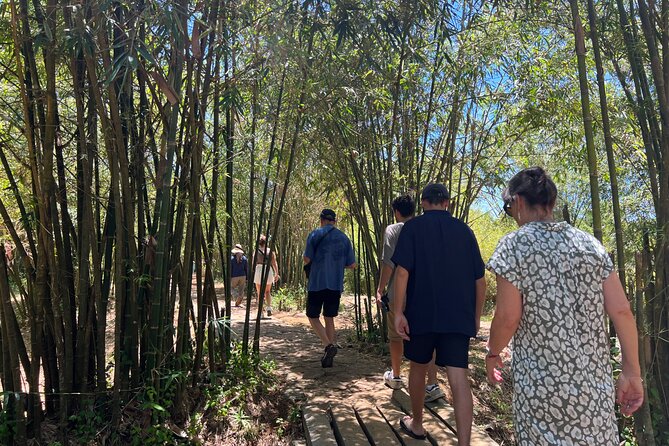
DMZ history feels close out here. This Half-DMZ tour from Hue strings together the Highway of Horror, Long Hung Church, Doc Mieu Base, Ben Hai River sites, Cua Tung Beach, and the Vinh Moc Tunnels, with an English-speaking guide helping you connect what you see to what it meant.
Private car pickup from your Hue hotel keeps the day calm and easy. I also really value the English-speaking guide who can explain the sites clearly and answer questions, plus entrance fees are included for the stops. The one catch is timing: it’s a long road-and-stops day, and lunch/food aren’t included, so you’ll need a plan.
In This Review
- Key Things I’d Watch For
- Why This Half-DMZ Route From Hue Feels More Human Than Just War Sights
- Hue Pickup, Private Car Comfort, and Real-World Timing
- Highway of Horror: What You’ll Actually Be Looking At
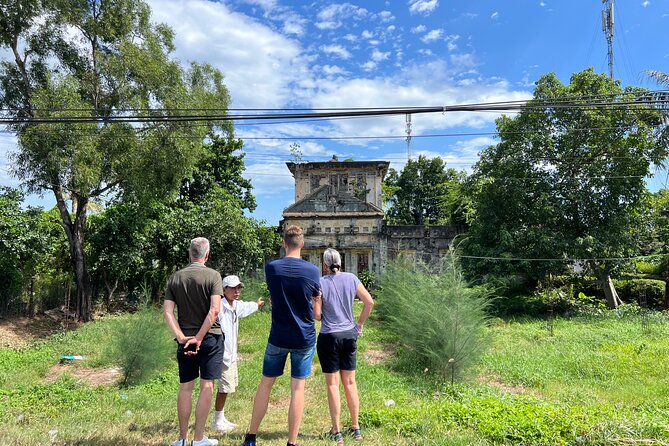
- Long Hung Church and Doc Mieu Base: Civilian Places With Wartime Stories
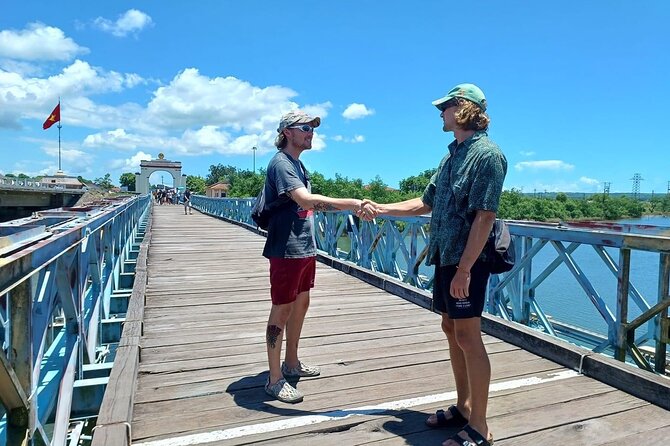
- Ben Hai River and the Hien Luong Bridge: The Border Story in One View
- Cua Tung Beach: A Needed Breather Before Going Underground
- Vinh Moc Tunnels: The Stop That Makes This Tour Worth It
- Price and Value: What $59 Gets You (and What It Doesn’t)
- Who This Tour Fits Best (And Who Might Want Something Different)
- Should You Book This Half-DMZ Tour From Hue?
- FAQ
- What time do the tours start from Hue?
- How long is the Half-DMZ Tour from Hue?
- Do I get hotel pickup and drop-off?
- Is this tour private or shared with other groups?
- Do I have an English-speaking guide?
- What sites are included in the itinerary?
- Are entrance fees included?
- Is lunch provided?
- Is the tour dependent on weather?
- How flexible is cancellation?
Key Things I’d Watch For
- Private transport from your Hue hotel with a professional driver and bottled water
- Entrance fees included, but tunnel ticket and museum tickets are not included
- Vinh Moc Tunnels are the big moment, with three levels and real civilian life details (families and babies born underground)
- A mix of war sites and coastline time (including Cua Tung Beach) to keep the day from feeling one-note
- English-speaking guidance so the places aren’t just photos and names on a list
North to the old DMZ and Vinh Moc
- DMZ TOUR HUE – Deluxe group tour full day★ 5.0 · 383 reviews
- DMZ & Vinh Moc Tunnels – Private Historical Tour from Hue★ 5.0 · 188 reviews
- Vietnam DMZ Tour from Hue With The Best DMZ Guide★ 5.0 · 24 reviews
- Hue Transfer to/from Dong Hoi & Phong Nha via DMZ Option★ 5.0 · 23 reviews
Why This Half-DMZ Route From Hue Feels More Human Than Just War Sights
DMZ tours can become a parade of facts—dates, names, and hard-to-grasp locations. This one works better because it focuses on specific places tied to how people lived, hid, and survived. You’re not just hearing about the former North–South border area; you’re walking through it by going site to site around Vietnam’s Demilitarized Zone.
I like that the itinerary includes both surface locations and the underground world of the Vinh Moc Tunnels. The surface stops give you context: what the war touched—churches, bases, bridges, and a road remembered for tragedy. Then the tunnels shift the story from military lines to civilian decisions: where families went, how long they stayed, and what it meant to raise children under pressure.
There’s also a practical rhythm to the day. You start with pickup and a drive out, then make a chain of stops, then end at the Vinh Moc Tunnels. That order matters because you’ll likely understand the tunnel story better after you’ve seen the surrounding war geography first.
Hue Pickup, Private Car Comfort, and Real-World Timing
Your day begins with hotel pickup in Hue, with a choice of morning start times: 8:00am (suggested), or 9:00am or 10:00am. The tour runs about 6 hours total, so this isn’t a slow, wandering afternoon. It’s built for seeing key DMZ sites within a single day.
The big value here is the private setup. You ride in a private vehicle with a professional driver, with fuel, tolls, parking fees, and bottled water handled for you. That matters because the DMZ area is not something you can casually hop between on your own without time and hassle.
You should still expect road time to take up a meaningful chunk of your schedule. One review mentioned a comfortable roughly 1.5-hour drive out to the DMZ area, and that matches the way these routes feel: the day is long even when the stops are satisfying. If you hate sitting in a car, plan for that upfront.
Also keep in mind what isn’t included: food and drinks aren’t part of the package, and lunch isn’t included either. If you’re the type who needs a meal to stay happy, bring snacks or plan to buy something near the stops (your guide can help you with timing once you’re on the route).
Highway of Horror: What You’ll Actually Be Looking At
The Highway of Horror is one of the stops that people remember for a reason. This is Vietnam’s wartime story told through geography—how a road became a deadly pressure point in the conflict.
When you arrive, the role of your guide becomes obvious. Without explanation, you might see damage or a location and think you understand it. With an English-speaking guide, you start to connect the dots: why this place was significant, what kinds of movement it represented, and how the war shaped daily life even when you weren’t directly on the battlefield.
This stop also sets the tone for the rest of the day. If you’re sensitive to heavy history, go in prepared. Don’t rush through it thinking you’ll “just get it over with.” Slow down. Let the guide’s context land, and you’ll likely get more out of every following stop because you’ll recognize patterns: where civilians felt the war most, and where survival strategies became necessary.
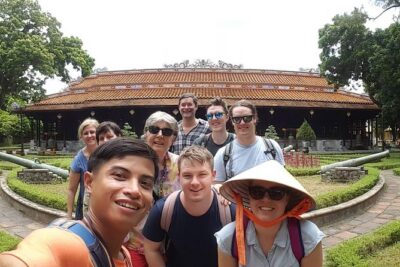

Long Hung Church and Doc Mieu Base: Civilian Places With Wartime Stories
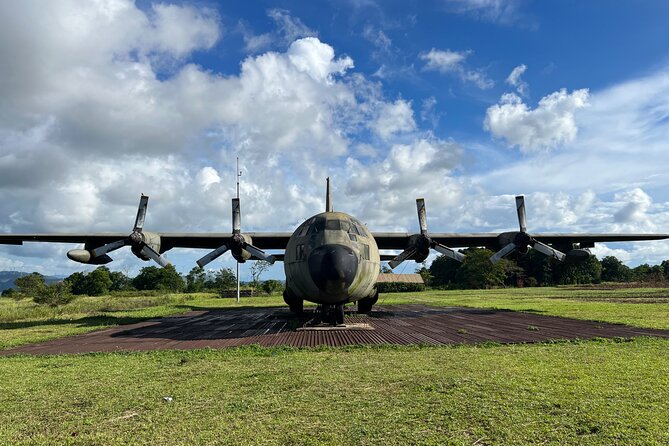
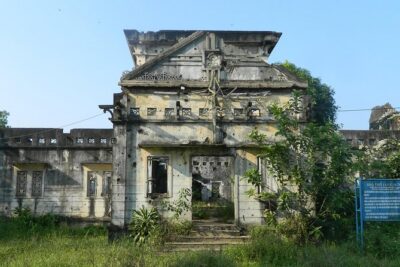
After the highway, the route heads toward places that feel different from military sites. Long Hung Church is exactly that: a recognizable, human-scale location, which helps you understand how war reached into ordinary community spaces.
Then comes Doc Mieu Base. Again, the value is the guide’s framing. A base can sound abstract until you connect it to the surrounding DMZ reality—how the area functioned and how people had to adapt.
A practical note: these stops can feel brief compared to the tunnels, so treat them as “setup chapters.” You’re collecting context. You’re learning what to notice and how to interpret what you see later.
The other thing I like is that this part of the route makes the story less one-dimensional. It’s not only about what happened; it’s also about where people tried to continue living, worshipping, working, and surviving under constant threat.
Ben Hai River and the Hien Luong Bridge: The Border Story in One View
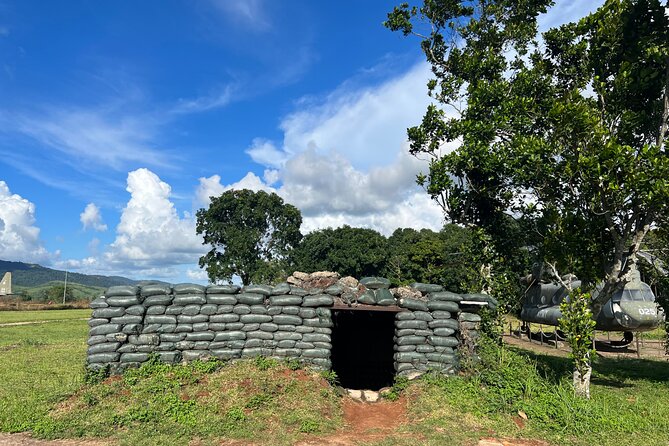
One of the most distinctive stops is the Ben Hai River – Hien Luong Bridge of DMZ area. This is where the history of the former North–South border becomes more concrete. Even if you know the basics, the physical layout can make it easier to understand what “demilitarized” really meant in practice.
There’s also a museum component here, and a review described the museum on the south bank as small but enough to get you started. That matches what you should expect: it’s likely not a massive multi-hour museum. Think of it as an orientation point that helps your guide’s explanations click.
If you’re someone who loves details, ask your guide what the key takeaways are before you head into the museum area. If you’re someone who prefers not to be stuck reading, you can still get value from the short museum time as long as you listen closely outside it—where the views and geography support the story.
Cua Tung Beach: A Needed Breather Before Going Underground
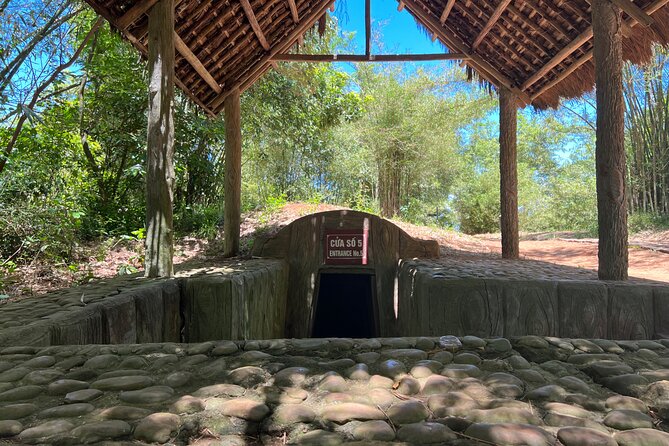
Before the day’s most intense stop, you’ll reach Cua Tung Beach in Vinh Linh District. The description matters because this isn’t a random “free time” add-on. The beach is a physical change of pace that helps you digest what you’ve already learned.
The coastline is described as having sparkling green water, silky sand, and breezes throughout the year, even though the beach isn’t very wide or long. In other words, don’t expect a huge resort beach scene. Instead, think of it as a calm reset—time outdoors with the kind of natural contrast that makes the tunnel experience hit harder afterward.
This stop is also a reminder that the DMZ region isn’t only war ruins. It’s a lived-in part of Vietnam with real places people still experience as landscapes, not just history props.
Vinh Moc Tunnels: The Stop That Makes This Tour Worth It
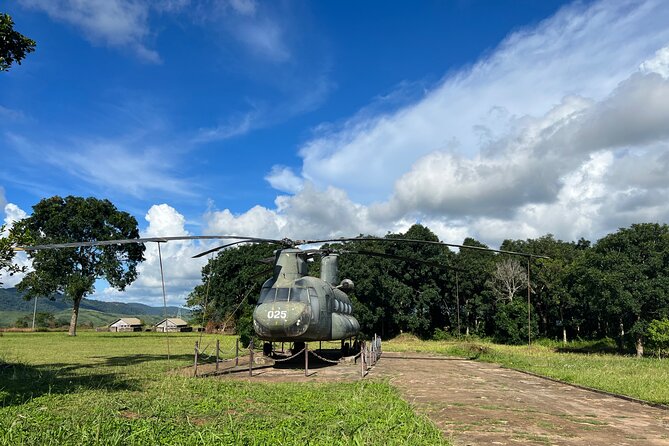
If you’re wondering what’s truly special here, it’s the Vinh Moc Tunnels. This is the part many people came for, and it deserves that attention.
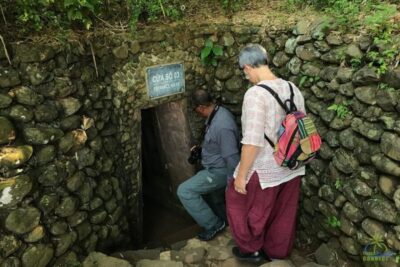
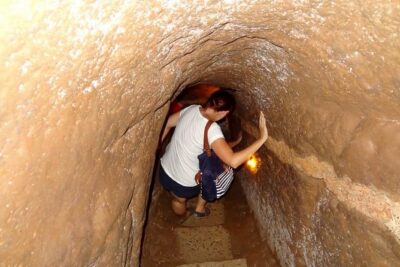
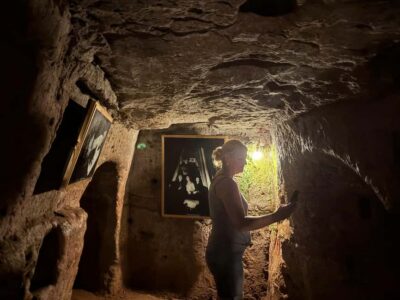
Here’s what makes it so compelling and so different from a generic tunnel story: the tunnels were built in three levels at depths of 12, 15, and 23 meters. Construction took thirteen months to complete. During 1966 to 1971, about 300 people lived there intermittently. The tunnels became home for sixty-two families, and seventeen babies were born underground during that period.
Those aren’t just impressive numbers. They help you imagine scale: how many people depended on the tunnels, how long they stayed in wartime uncertainty, and how survival shifted from temporary refuge to something closer to a community life.
A key practical point: the tunnel ticket is not included in the tour price. So before you reach this stop, be ready for the possibility of an extra purchase at the tunnel entrance. If you want to be extra smooth, you can ask your guide what you should expect to pay or whether there are choices about the tunnel visit.
The day’s order also helps. Going to the tunnels after you’ve seen the border area and wartime sites gives you better context. You can better connect why underground shelter was necessary—not as a random curiosity, but as a logical response to where the war pressure concentrated.
Price and Value: What $59 Gets You (and What It Doesn’t)
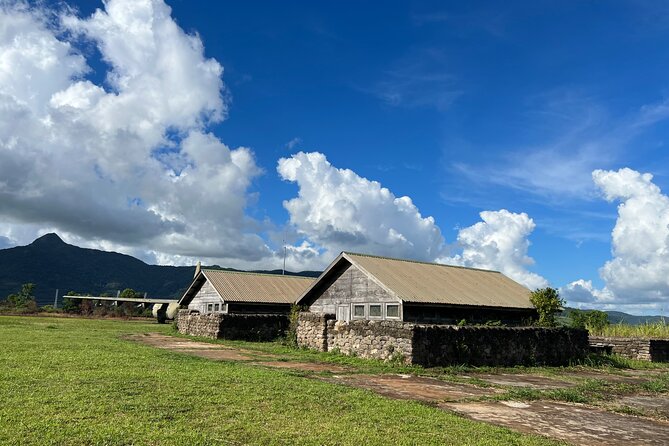
At $59 per person, this tour is priced like a no-stress way to see the DMZ sites without juggling transport, entrances, and guide time. You get hotel pickup and drop-off, a private car with driver, fuel, tolls, parking fees, and bottled water. You also get a private English-speaking guide, and entrance fees are included for the stops that fall under that umbrella.
What you should factor in: food and drinks are not included, and there’s no lunch. Also, tunnel tickets and museum tickets are not included. That means your final cost can move a bit depending on what you choose to pay on-site at the tunnel and any museum portions.
Still, I think the value is strong if you want the private-vehicle benefit plus real historical guidance. You’re not paying $59 just for driving. You’re paying for the guide’s explanations, the curated set of stops, and the effort saved in getting around that stretch of Vietnam efficiently.
If you’re a small group, the tour also offers group discounts, which can make the “private” part feel even more practical.
Who This Tour Fits Best (And Who Might Want Something Different)
This works best if you:
- Want a single-day DMZ route from Hue with clear context from an English-speaking guide
- Are specifically interested in the Vinh Moc Tunnels and what they meant for civilians
- Prefer private transport instead of crowd schedules and tight timing
It may be less ideal if:
- You hate long car time and a day with little room to slow down
- You don’t want to plan for extra costs like tunnel tickets and museum tickets
- You need a full meal included, since lunch isn’t provided
It’s also a good pick if you’ve already done other tunnel-style experiences and want something that focuses on civilian shelter in the DMZ context rather than a different conflict area.
Should You Book This Half-DMZ Tour From Hue?
I’d book it if you want a structured, guided way to see the DMZ’s key locations without wasting time on logistics. The combination of Highway of Horror, church and base stops, the Ben Hai River border area, a short beach breather, and then the Vinh Moc Tunnels is a strong arc. It helps you understand the war’s impact without turning the day into a frantic checklist.
If you’re sensitive to heavy history, go in prepared, stay present, and let the guide steer you through the meaning of each location. And since lunch and on-site tickets aren’t included, plan for snacks and a budget for the tunnel and any museum entry you choose.
If the weather is poor, the tour requires good weather, so you’ll want to keep an eye on forecasts and be flexible with timing. If your schedule allows it, this is the kind of day trip that gives you more than photos. It gives you a clearer sense of how ordinary life was shaped by extraordinary fear.
FAQ
What time do the tours start from Hue?
You can choose a morning pickup time of 8:00am (suggested), 9:00am, or 10:00am.
How long is the Half-DMZ Tour from Hue?
The tour duration is approximately 6 hours.
Do I get hotel pickup and drop-off?
Yes. The tour includes hotel pickup and drop-off.
Is this tour private or shared with other groups?
It’s a private tour/activity. Only your group participates.
Do I have an English-speaking guide?
Yes. The tour includes a private English-speaking guide.
What sites are included in the itinerary?
You’ll visit Highway of Horror, Long Hung Church, Doc Mieu Base, Ben Hai River – Hien Luong Bridge of DMZ, Cua Tung Beach, and Vinh Moc Tunnels.
Are entrance fees included?
Entrance fees are included, but tunnel ticket and museum tickets are not included.
Is lunch provided?
No. Food and drinks are not included, and there is no included lunch.
Is the tour dependent on weather?
Yes. The experience requires good weather, and if it’s canceled due to poor weather you’ll be offered a different date or a full refund.
How flexible is cancellation?
You can cancel for a full refund up to 24 hours in advance of the experience start time.
More Tour Reviews in Hue
- Hue to Hoi An ( Hoi An to Hue) Top Gear with Lefamily Riders Tours ( 1 way)
★ 5.0 · 3,156 reviews - Easy Rider private tour via Hai Van pass from Hue – Da Nang – Hoi An (1Way|Loop)
★ 5.0 · 1,542 reviews - Easy Rider From Hue Da Nang Hoi An Via Hai Van Pass With Mister T
★ 5.0 · 769 reviews - Hue to Dn/Hoi An: Hai Van Pass, beaches & Mt Monkey or vice versa
★ 5.0 · 743 reviews - Hue: Imperial City Walk, Motorbike Tour & Private Car Options
★ 5.0 · 732 reviews - Hue city Deluxe Group Tour (Daily Tour-12 pax max)
★ 5.0 · 569 reviews
North to the Old Front Line
- DMZ TOUR HUE – Deluxe group tour full day
★ 5.0 · 383 reviews - DMZ & Vinh Moc Tunnels – Private Historical Tour from Hue
★ 5.0 · 188 reviews - Explore DMZ in Private: Vinh Moc & Khe Sanh from Hue
★ 5.0 · 99 reviews - Vietnam DMZ Tour from Hue With The Best DMZ Guide
★ 5.0 · 24 reviews - Hue Transfer to/from Dong Hoi & Phong Nha via DMZ Option
★ 5.0 · 23 reviews - PRIVATE DMZ Tour from Hue – Half Day – Vinh Moc Tunnels
★ 5.0 · 23 reviews
Latest Hue Tours We Have Written Up


DMZ & War History Day Trips, compared.
 ★ 4.9From Hue: DMZ Tour with Vinh Moc Tunnels and Khe Sanh BaseFrom $54503 reviews
 ★ 5.0DMZ TOUR HUE – Deluxe group tour full dayFrom $49383 reviews
 ★ 5.0DMZ & Vinh Moc Tunnels – Private Historical Tour from HueFrom $80188 reviews
 ★ 5.0Explore DMZ in Private: Vinh Moc & Khe Sanh from HueFrom $10199 reviews
 ★ 4.9Half-Day DMZ Tour to Vinh Moc Tunnels by Private CarFrom $1657 reviews
 ★ 5.0Private Day Trip to DMZ : Vinh Moc tunnel & Khe SanhFrom $1626 reviews
 ★ 5.0Vietnam DMZ Tour from Hue With The Best DMZ GuideFrom $10024 reviews
 ★ 5.0Hue Transfer to/from Dong Hoi & Phong Nha via DMZ OptionFrom $6523 reviews
Browse the lists this tour appears in