
Reviewed · HIKING & TREKKING
Hanoi: 3-Day Mu Cang Chai Trekking, Hidden Trail, Local Life
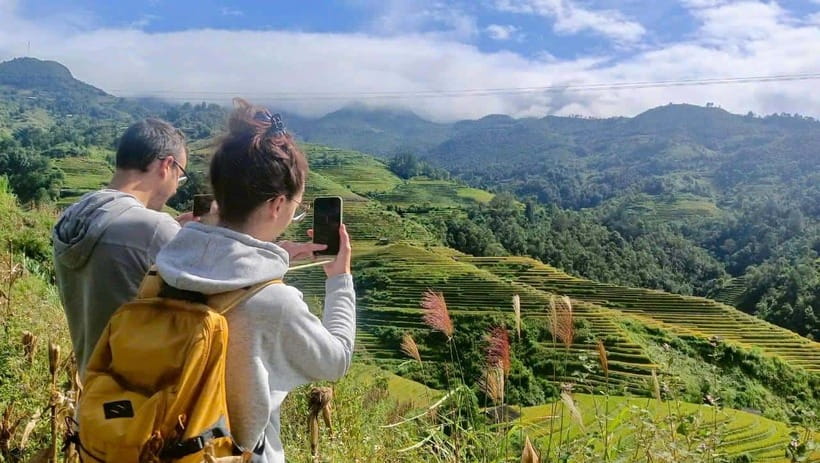
Few places in Vietnam hit like Mu Cang Chai. This 3-day trek links private transport with English-speaking guiding so you can move on your own time, meet ethnic communities, and spend nights in authentic stilt-house homestays.
I also like the way the trip is built around real village contact, not just view stops—rice planting or harvesting with Thai and Mong families, guided village walks, and evening cultural exchanges. One thing to consider: the road travel is long, so you’re signing up for hours in the car as much as hours on trails.
In This Review
- Key highlights worth clocking before you go
- Why Mu Cang Chai works as a 3-day plan (not a rushed day trip)
- Price and value: what $193 really buys you
- Getting from Hanoi to the hills: the long drive that sets the tone
- Day 1: Nghĩa Lộ lunch, Tú Lệ villages, and your first homestay night
- Day 2: Khau Phạ Pass plus Mu Cang Chải terrace trekking (soft, but still real)
- Day 3: Horseshoe Hill gold terraces and the return to Hanoi
- Trekking reality check: what to bring and what to expect on your feet
- Food, Happy water, and cultural exchange without the forced script
- Avoiding crowds: how the route choices help your photos and your peace
- Who should book this Mu Cang Chải hidden-trail trek
- Should you book this tour?
- FAQ
- How long is the Mu Cang Chai trekking experience?
- What does the price include?
- What is not included?
- Are pickups included from Hanoi?
- Is the group private?
- Will there be an English-speaking guide?
- What trekking and village activities are included?
- What about food and vegetarian options?
- What should I bring for the trek?
- What happens if the weather is poor?
Key highlights worth clocking before you go
- Private, modern transfer: door-to-door pick-up in Hanoi Old Quarter and a safe driver, so you avoid the taxi-chaos tax.
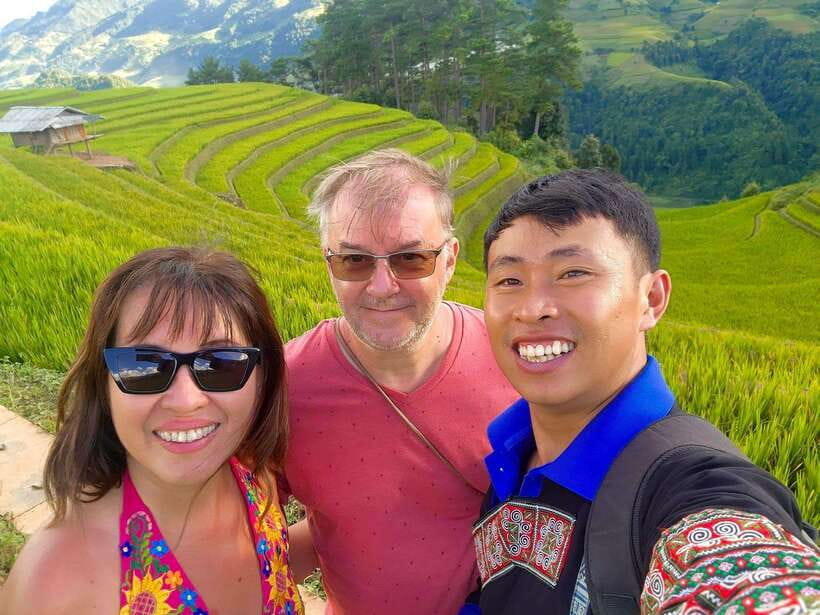
- English guiding with ethnic context: you might be led by guides such as Mr Tai or Cau, who explain Thai and Mong life in plain terms.
- Iconic terrace stops: Khau Phạ Pass plus the Mu Cang Chải rice-field areas like Chế Cu Nha, La Pan Tan, and Che Cu Nha.
- Hands-on farming moments: you can join planting or harvesting activities with local families.
- Stay in a stilt-house homestay: you’ll sleep close to village rhythms and eat regional food with community interaction.
Comparing a few options? These Hue trips earn steady marks from travellers.
- Hanoi: 3-Day Mu Cang Chai Trekking, Hidden Trail, Local Life★ 4.7 · 3 reviews
Why Mu Cang Chai works as a 3-day plan (not a rushed day trip)
Mu Cang Chai is the kind of place where the best moments aren’t just the photos. It’s the slow-looking details: how people move through terraced plots, how villages sit in valleys, and how the hills change from morning to late afternoon.
A 3-day format matters because you get more than one “day view.” You’ll spend time around Tú Lệ, then head into Mu Cang Chải areas known for rice-terrace scenes. You also get at least two terrace-focused hiking blocks plus village visits, which is the difference between seeing a place and understanding it.
The best part for me is the balance of fresh air and real people. You’re not only there for the big sights; you’re also there for day-to-day ethnic life—hands-on farming, local meals, and evenings that feel lived-in.
Price and value: what $193 really buys you
At $193 per person, this is priced like a budget trek—yet it includes more than the usual “guide plus gas” deal.
Here’s what you’re getting that adds value fast:
- Private, modern AC transport with a safe driver (not shared vans and not taxi hunts).
- English-speaking local guide for the whole multi-day flow.
- Homestays in a private room (based on twin) for the nights in Tú Lệ and Mu Cang Chải.
- Meals as specified: 2 breakfasts, 3 lunches, and 2 dinners.
- Entrance fees and travel permits for frontier travel.
- Bottled water and Happy water (local wine).
- Travel insurance plus a 24/7 hotline.
What’s not included is simpler: beverages and personal expenses. Translation: bring some cash for extras, but you won’t be hit with constant add-on fees during the main program.
If you hate the usual “pay extra every hour” feeling, this pricing model is the point. You lock in the core experience and spend your energy on trekking and conversation instead of logistics.
Getting from Hanoi to the hills: the long drive that sets the tone
Day 1 starts with pick-up options in Hanoi (Hoàn Kiếm Lake or the Old Quarter). You leave around 7:30 AM, then you’ll break along the way for stretches, photos, and a reset.
A key practical reality: you’re traveling roughly 6 hours each way on the route to reach Mu Cang Chải. That can feel like a lot, but it’s also what buys you the calmer, lesser-seen side of the region. The experience improves once you’re through the major roads and into valley rhythm.
During the drive, you get planned photo stops rather than random pulls. That means you can focus on getting the shot you want—or just taking a breather—without worrying whether you’ll lose the group.
Day 1: Nghĩa Lộ lunch, Tú Lệ villages, and your first homestay night
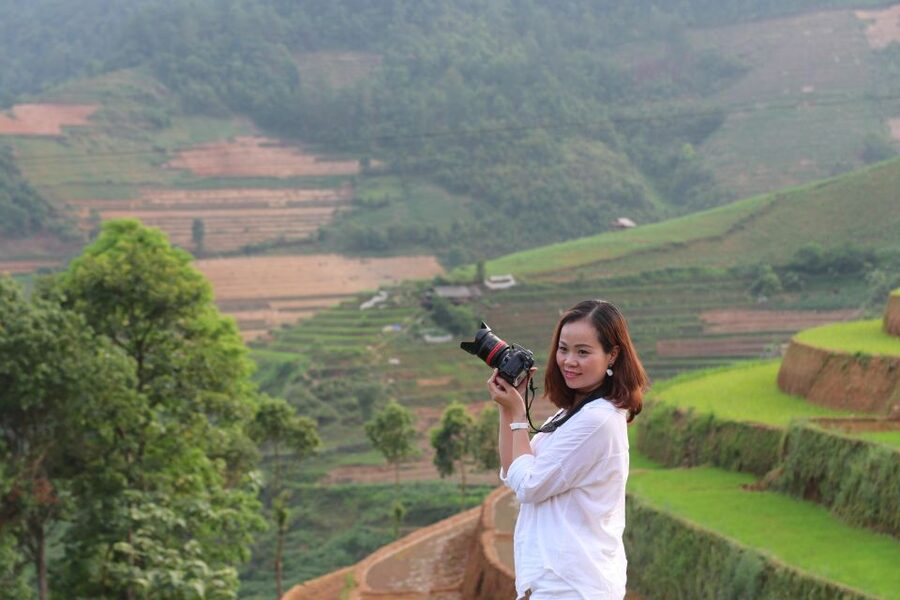
You’ll arrive in Nghĩa Lộ around 12:00 PM. This is a full lunch stop at a local restaurant, giving you a chance to fuel up before the drive into the mountains.
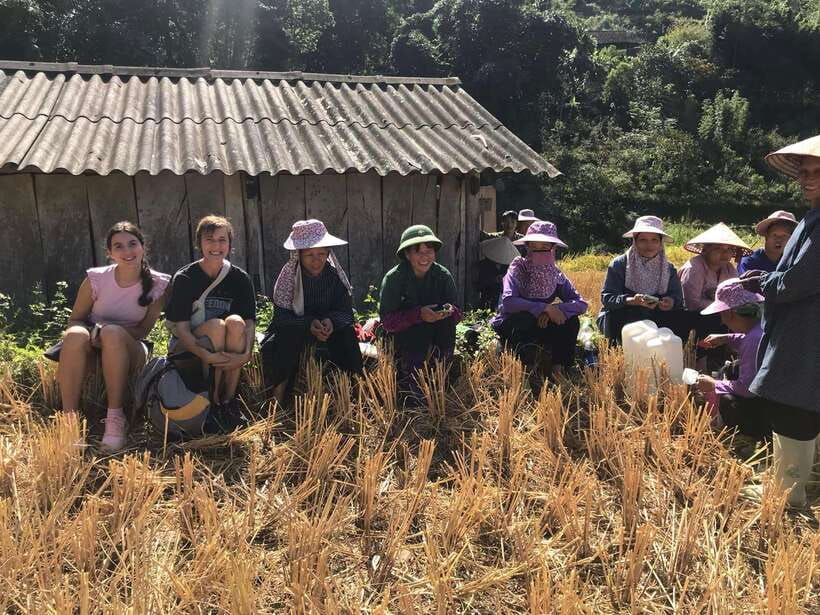
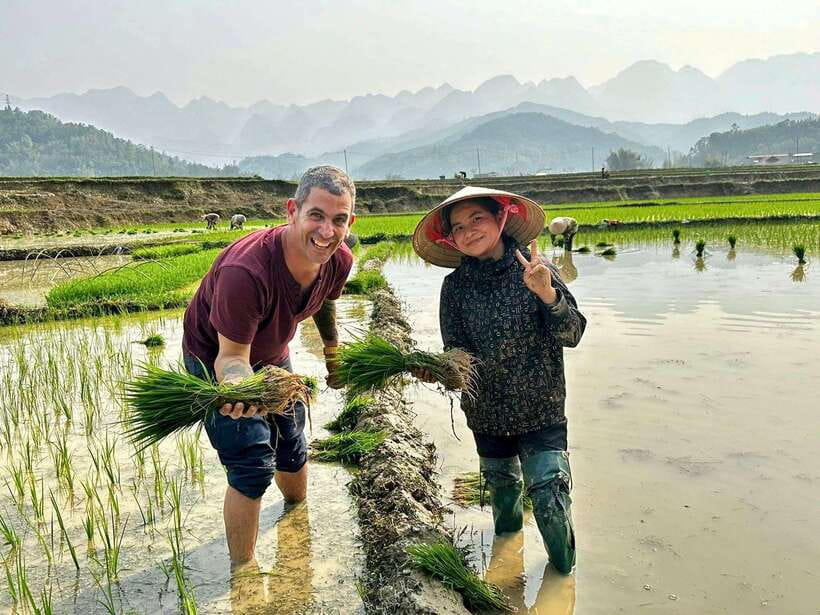
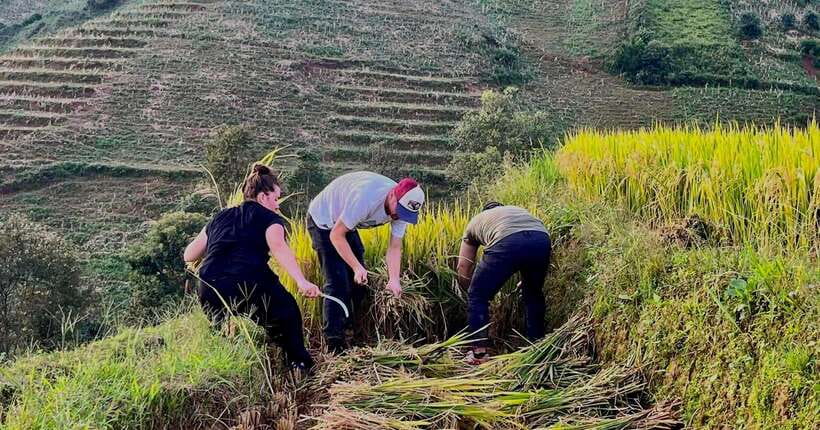
Then you continue to Tú Lệ, reaching it in the afternoon. In Tú Lệ, the day turns into rice-field wandering and village time. You’ll explore the area’s quiet fields and ethnic villages, and you’ll have a chance to join hands-on farming activities—rice planting or harvesting—shared with Thai and Mong communities.
This part is what makes the trek feel human. Rice terraces can look “pretty” from far away. But when you see the work up close—hands in the mud, tools in use, neighbors explaining why certain plots are maintained a certain way—you get context, not just a view.
Around 5:00 PM, you check into a wooden stilt-house homestay in Tú Lệ valley. Dinner follows later, with local specialties and cultural exchange. The pacing is smart: you get movement by day, then slow down before tomorrow’s pass and terrace walking.
Day 2: Khau Phạ Pass plus Mu Cang Chải terrace trekking (soft, but still real)
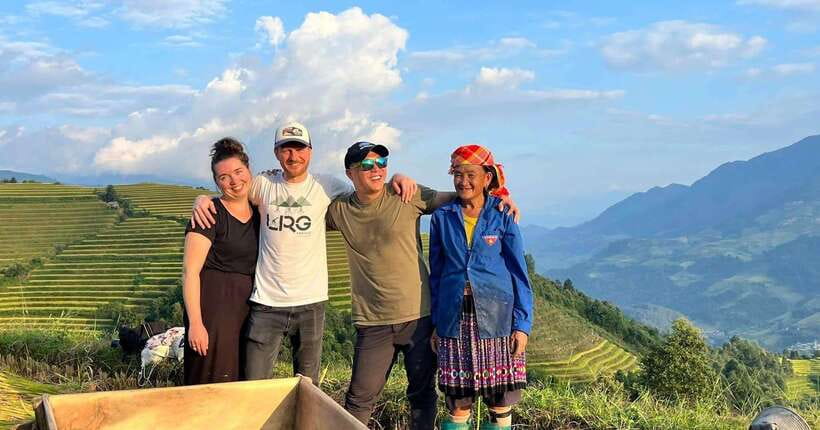
Day 2 begins early, around 6:00 AM with breakfast in the mountains. By 8:00 AM, you start a soft trek through rice-terrace terrain around villages such as Lìm Mông and Lìm Thái.
This hike is less about athletic heroics and more about seeing how terrace farming shapes daily life. You’ll meet locals and learn traditional farming techniques, plus you’ll have time for photography. If you’re traveling with someone who needs a slower pace, “soft trek” is a good sign.
After the morning walking, you drive through Khau Phạ Pass, one of Vietnam’s Four Great Passes. You get a photo stop with panoramic terraces and you can also spot paragliding viewpoints. Even if you never plan to paraglide, this pass gives you that “how is this even built?” feeling.
Then you arrive in Mù Cang Chải for lunch and a homestay check-in. Afternoon trekking targets some of the most iconic areas: Chế Cu Nha and La Pan Tan. You’ll interact with H’mong farmers, and there’s another chance to try planting rice yourself.
In the evening, dinner includes a Thai-chef touch—regional flavors prepared with care—and you’ll join a cultural exchange with traditional dances and storytelling by the fire. It’s not a museum performance. It’s village storytelling in the night air, which is exactly why this part sticks with you.
Day 3: Horseshoe Hill gold terraces and the return to Hanoi
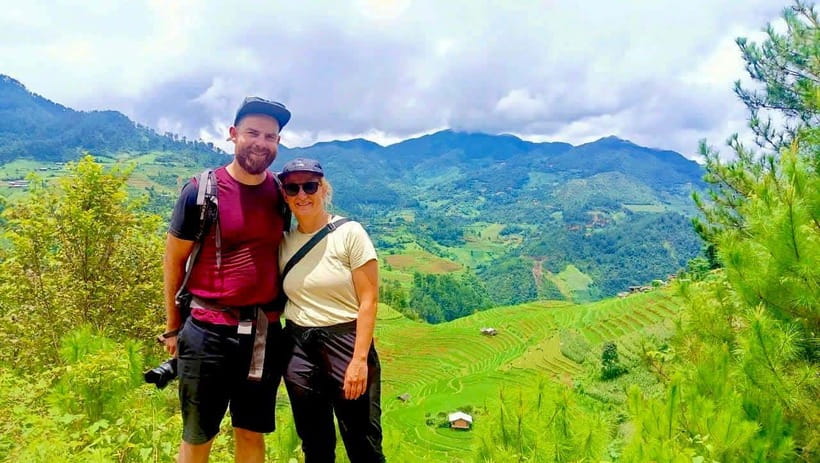
Your final morning starts with breakfast around 7:00 AM. You then head to Horseshoe Hill in Sang Nhu Village, which is famed for dramatic terrace views during harvest season. This is the “big sight” morning, timed so you can catch the terraces at their best.
After that, you’ll stop again around 11:00 AM for lunch back in the Nghĩa Lộ area (or Tú Lệ, depending on the route flow). The rest is the return drive.
Around 5:30 PM, you’ll reach Hanoi and be dropped back at your hotel area. The ending is practical: you’re not left stranded, and you don’t lose the final day to extra transfers.
Trekking reality check: what to bring and what to expect on your feet
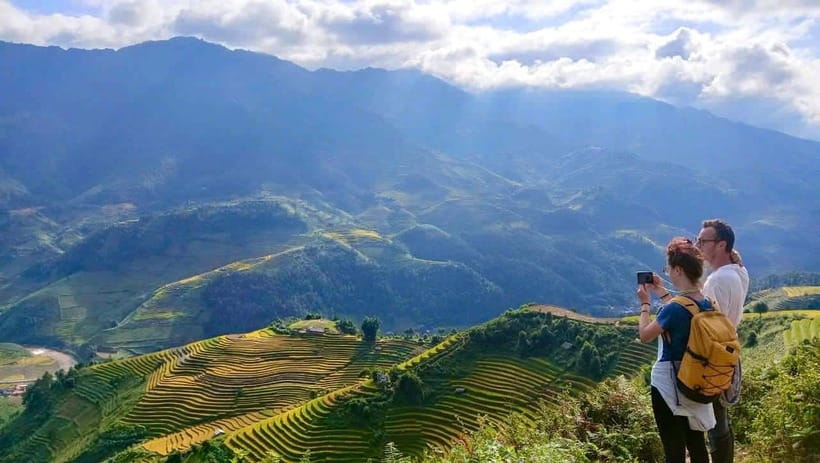
This trip uses soft trek segments, but that doesn’t mean “easy shoes only.” Terrace trails can be uneven, slippery when wet, and muddy after rain.
Bring:
- Hiking shoes with grip
- Sun hat and sunglasses
- Jacket (mountain weather can shift fast)
- Insect repellent
- A camera (there are built-in photo stops and terrace moments)
- Cash for personal extras
If you’re sensitive to cold mornings, plan for that jacket. And if you’re visiting during or after rain, expect conditions that make “short” walks take longer.
Also, pack for light hiking stamina rather than endurance. The program gives you guided village time and photo stops, so you’ll move in segments, not all-out continuous trekking.
Food, Happy water, and cultural exchange without the forced script
You’ll eat local meals in the region across the two homestays and lunch stops. You also have a vegetarian option if you request it ahead of time, which is a big deal for comfort during multi-day travel.
Two details matter for your expectations:
- Dinner is part of the day’s culture, not just sustenance. In Tú Lệ, dinner includes cultural exchange with ethnic locals.
- In Mu Cang Chải, dinner includes Thai-chef regional cooking, and the evening wraps with dances and storytelling.
Then there’s Happy water, included with the bottled water. It’s local wine, and even if you don’t drink it, the inclusion signals the trip isn’t afraid of real community customs.
If you’re the type who enjoys chatting and watching how a family does things, this is the kind of itinerary that rewards you. If you only care about standing in front of views, you might find some of the village time a bit slow—but that’s also where the value lives.
Avoiding crowds: how the route choices help your photos and your peace
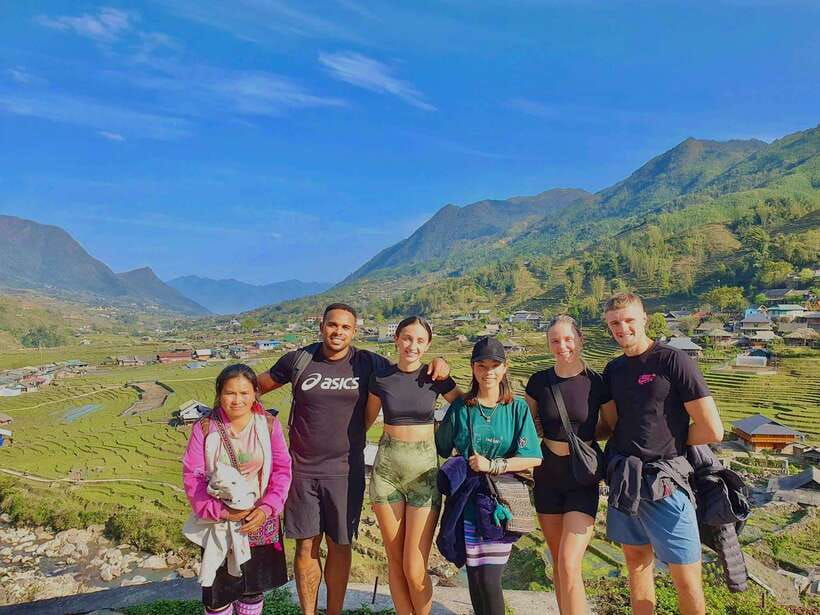
Crowd levels in Mu Cang Chải can be unpredictable, especially during popular harvest windows. What this tour tries to do is reduce the “everyone goes at once” feeling by using private timing, hop-on hop-off-style stops, and guided movement between terrace and village areas.
Practically, that means:
- More time at viewpoints for photos without feeling rushed.
- Village interaction rather than only lining up for a photo from a single angle.
- Flexible photo stops during drives, so you can get your picture and still stay on pace.
You’ll still see iconic terrace scenes like Horseshoe Hill, but you’ll experience them in context—walking paths, nearby villages, and the people who farm these slopes.
Who should book this Mu Cang Chải hidden-trail trek
This trip is a strong match if you want:
- A private group with no scrambling for taxis or group buses.
- Real village contact: hands-on farming and guided explanations of Thai and Mong life.
- A balanced plan: morning trekking plus afternoon terrace areas, then homestay nights.
- English guiding throughout.
You might think twice if you hate long car rides. The journey to Mu Cang Chải is a time commitment, and you’ll feel it even with breaks.
It also suits couples and small groups well. Private transport and a steady guide rhythm makes it feel calm rather than chaotic.
Should you book this tour?
I’d book it if you want Mu Cang Chải as a lived experience, not a quick photo hunt. The biggest reason is the combination of private transport, English guiding, homestays, and meals—you don’t have to constantly manage logistics once you’re on the route.
Book it with confidence if you’re happy doing soft trekking, carrying a camera, and spending evenings talking with locals. Just be realistic about the drive time and dress for mountain weather.
If that sounds like your kind of trip, this $193 package is the right scale: enough structure to keep it smooth, enough village time to make it memorable.
FAQ
How long is the Mu Cang Chai trekking experience?
It runs for 3 days.
What does the price include?
Meals as specified (2 breakfasts, 3 lunches, 2 dinners), private modern transportation, an English-speaking guide, entrance fees and travel permits, homestay rooms based on twin, bottled water, Happy water, travel insurance, and 24/7 hotline support.
What is not included?
Beverages and other personal expenses are not included.
Are pickups included from Hanoi?
Yes. You get private door-to-door pick-up and drop-off in the Hanoi Old Quarter area, with pick-up options including Hoàn Kiếm Lake or the Old Quarter. Airport pick-up is also available 24/7.
Is the group private?
Yes, it’s a private group.
Will there be an English-speaking guide?
Yes, the live guide is English-speaking.
What trekking and village activities are included?
You’ll do soft trekking plus guided village visits, with time for rice-terrace walks and hands-on farming activities like rice planting or harvesting.
What about food and vegetarian options?
The tour includes meals listed in the program, and vegetarian food is available on request.
What should I bring for the trek?
Bring sunglasses, a sun hat, a camera, hiking shoes, a jacket, insect repellent, and cash.
What happens if the weather is poor?
The trip requires good weather. If it needs to be cancelled due to poor weather, you’ll be offered a different date/experience or a full refund.
More Tour Reviews in Lang Co Duong Lam
- Hanoi: Incense Village, Hat Artisan/ Trang An Boating Tour
★ 4.7 · 13 reviews
Latest Hue Tours We Have Written Up
Hiking & Trekking, compared.
 ★ 4.9From Hue: Bach Ma National Park Hiking Day Trip with PickupFrom $44220 reviews
 ★ 5.0Bach Ma National Park trekking deluxe daily tour from HueFrom $4986 reviews
 ★ 4.5From Hue/Da Nang/Hoi An: Bach Ma National Park Trekking TourFrom $3939 reviews
 ★ 4.5Small Group – Bach Ma National Park Trekking Tour From HueFrom $4118 reviews
 ★ 5.0Explore Bach Ma National Park – Trekking with Small Group TourFrom $4412 reviews
 ★ 5.0Bach Ma National Park Trekking and Camping 2 days TourFrom $1429 reviews
 ★ 5.0Hue to Da Nang/Hoi An via Bach Ma TrekkingFrom $866 reviews
 ★ 4.8Bach Ma National Park Trekking Tour From Hue/Da Nang/Hoi AnFrom $445 reviews
Browse the lists this tour appears in